7 Tips on How to Identify Quality Nail Products?

Time:2026-10-14 Author:Ethan
0%

Choosing the right nail products is more than judging a glossy bottle or attractive color. For professionals, how to identify quality nail products begins with safety, consistency, traceability, and real performance. A trustworthy product should show a complete ingredient list, batch or lot information, manufacturer details, and clear usage instructions. The package should feel secure, not swollen, leaking, or poorly sealed. Small details matter.

Industry data shows why careful selection deserves attention. Grand View Research’s Nail Polish Market Size, Share & Trends Analysis Report describes continued market growth, supported by rising salon services and at-home manicures. Its findings also suggest stronger demand for long-wear and specialized formulas. However, market growth does not prove product quality. Different reports use different categories, regions, and sales channels. That limitation deserves honest consideration.

Professional users can compare texture, brush control, curing behavior, odor, and removal results under consistent conditions. A gel polish that wrinkles under an LED lamp may indicate poor application, incorrect curing, or formula instability. The product itself is not always the only cause. The U.S. FDA explains that cosmetic labeling and ingredient disclosure help consumers make informed decisions, while the Cosmetic Ingredient Review evaluates cosmetic ingredients through scientific safety assessments. These are useful reference points, not substitutes for practical testing. Check the technical data sheet when available. Review the safety data sheet for professional handling information. Then observe the product after several applications. Quality should remain visible on the nail, in the bottle, and across repeated use.
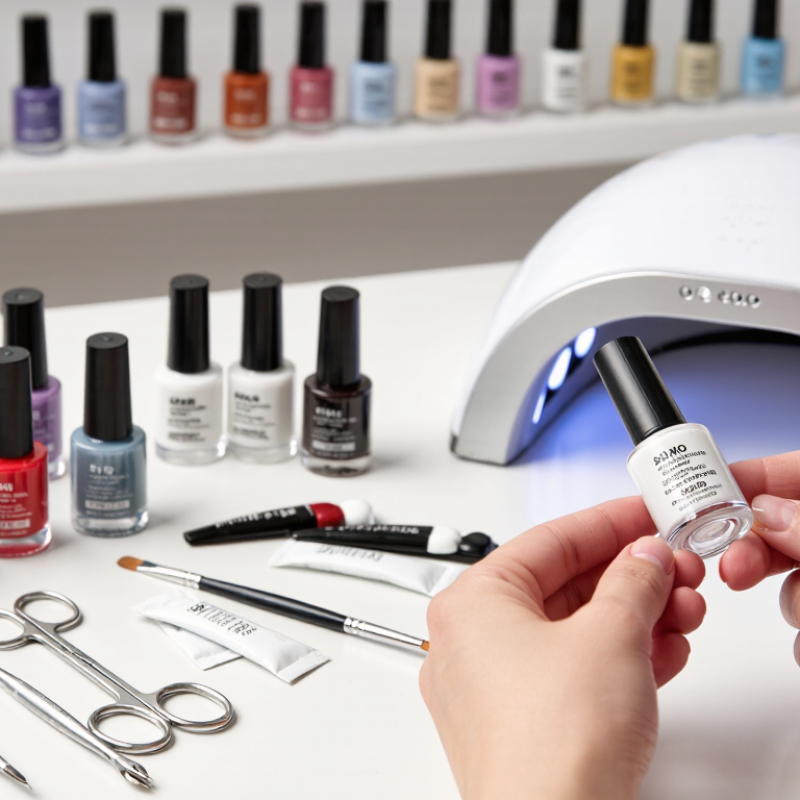
7 Tips on How to Identify Quality Nail Products?

Understanding What Defines a Quality Nail Product

7 Tips on How to Identify Quality Nail Products?

Understanding What Defines a Quality Nail Product

A quality nail product begins with transparent information. Check the ingredient list, usage instructions, batch details, and recommended storage conditions. Clear labeling suggests responsible manufacturing and helps users make safer choices. The texture should look even, without separation, strange particles, or an unusually strong odor. Small details matter.

Performance also reveals quality. A reliable gel should spread smoothly, self-level without flooding the skin, and cure evenly under the correct lamp. A polish should provide consistent color after thin, controlled coats. Adhesion should last through normal activity, not merely look perfect for one afternoon. Product claims should be supported by testing, not dramatic promises. Professional education and documented quality-control procedures add credibility.

Packaging deserves attention too. A tightly sealed container protects the formula from air, light, and contamination. Ingredients should remain stable throughout the stated period when stored properly. I once judged a product by its glossy finish and attractive bottle, which was a poor shortcut. Appearance can mislead. Even experienced users should check instructions and test a small amount before regular use. Skin reactions, unusual heat, or unexpected lifting are signals to stop and reassess. Quality is not defined by price alone; it is the combination of reliable formulation, honest information, consistent performance, and responsible use.

Checking Ingredients, Labels, and Product Transparency

Quality nail products should be judged beyond attractive packaging. In my salon training experience, the ingredient list often reveals more than the front label.

Tip 1: Read every ingredient. Look for clear names, allergen warnings, and precise usage instructions. Avoid products with vague phrases such as “special formula” without further details. A strong label should also show the net quantity, batch number, expiry information, and storage guidance. Small details matter.

Tip 2: Check whether the product explains its curing process. The label should state the recommended lamp type, curing time, and application thickness. If these instructions are missing, performance may become unpredictable.

I once trusted a product because it looked professional. It lifted quickly. That experience reminded me that appearance proves little.

Labels should also identify the manufacturer or responsible distributor and provide a reliable contact method.

Tip 3: Examine product transparency online and in-store. Honest suppliers usually publish complete ingredient information, safety guidance, and realistic claims. Be cautious when a product promises instant results or uses “non-toxic” without explaining its meaning. The wording can be confusing.

Compare the package details with the company’s official information, including current instructions and warnings. Keep photos of the label if needed.

Transparency is not perfection, and labels can contain mistakes, so thoughtful checking remains essential.

Inspecting Packaging, Seals, and Storage Information

7 Tips on How to Identify Quality Nail Products?

Packaging offers the first practical clue. Examine the bottle under bright light. The label should be sharp, readable, and firmly attached. Check the product name, shade, ingredients, volume, batch number, and recommended use period. Missing details deserve caution. I once overlooked a slightly crooked label because the color looked attractive. That shortcut was careless.

Inspect the cap and seal closely. A new bottle should have an intact inner seal, shrink band, or tamper-evident feature when appropriate. The cap should close tightly without slipping or cracking. Look for dried product around the neck, sticky residue, dents, or unusual swelling. These small signs can indicate poor handling or an opened container. Smell can help, but it should not replace label information or professional guidance.

Storage instructions reveal how seriously quality is managed. Products commonly need a cool, dry place away from direct sunlight and heat. Avoid leaving them beside a sunny window, radiator, or damp bathroom sink. Extreme temperatures may change texture, color, or application performance. Store bottles upright and wipe the threads before closing them. Keep the original packaging for reference. I sometimes focus too much on appearance and forget storage history, which is difficult to verify. If the seal looks damaged or the instructions are unclear, choose a different product and ask the seller for traceable batch information.

7 Quality Checks for Nail Products

Use this checklist when inspecting nail products. Each category represents one essential verification point covering packaging condition, tamper evidence, traceability, labeling, and safe storage information.

Evaluating Performance, Safety, and Ease of Use

7 Tips on How to Identify Quality Nail Products?

Performance starts with consistency. Check whether the polish spreads evenly, without dragging or flooding the cuticle. Test one nail first. A reliable gel should cure fully under the recommended lamp and resist lifting after several days. Review the technical sheet for curing time, viscosity, and compatibility. Tip two: inspect adhesion after gentle washing. Tip three: watch removal time. Excessive scraping suggests poor balance between durability and removability. I still record application results, because memory often exaggerates performance.

Safety deserves stricter attention. Read the ingredient list, safety data sheet, warnings, batch number, and expiry information. Avoid products with leaking containers, strong unexplained odor, or separated texture. OSHA’s Nail Salon Workers guide reports that effective ventilation can reduce airborne chemical levels by at least 50 percent. Open windows are not always enough. Use local exhaust ventilation near the work area. NIOSH Health Hazard Evaluations also show that exposure can change during mixing, filing, and removal. Gloves and eye protection remain practical safeguards.

Ease of use is measurable. Choose a brush that reaches sidewalls without flooding skin. Check whether the cap closes tightly and the label remains readable after cleaning. A smooth bottle neck prevents sticky buildup. Patch-test according to professional guidance, especially for clients with sensitive skin. Keep simple records: product, lamp, cure time, removal method, and skin response. One uncomfortable truth remains. A glossy finish can hide incomplete curing, weak labeling, or poor handling. Quality requires evidence, not appearance alone.

7 Tips on How to Identify Quality Nail Products? — Evaluating Performance, Safety, and Ease of Use

Use this practical checklist to compare nail polishes, gel systems, nail adhesives, removers, and treatment products without relying on brand reputation alone.

Tip Evaluation Dimension What to Check Quality Indicators Warning Signs Suggested Assessment
1 Review the ingredient and safety information Safety and transparency Check whether the packaging provides an ingredient list, directions, warnings, storage instructions, and responsible-use information. ✓ Complete and readable information
✓ Clear allergy and irritation warnings
✓ Batch or lot identification where applicable
! Missing instructions, unclear labeling, or an unidentified product makes safe evaluation difficult. Essential
2 Check application and curing performance Performance and reliability Observe whether the product spreads evenly, self-levels appropriately, cures or dries according to its instructions, and forms a smooth finish. ✓ Consistent texture
✓ No persistent tackiness after proper curing
✓ No excessive shrinkage, wrinkling, or bubbling
! A product that remains soft, wrinkles, or cures unevenly may be incompatible with the lamp, layer thickness, or application method. High priority
3 Evaluate adhesion and wear resistance Durability After correct preparation, monitor lifting, chipping, peeling, cracking, and edge wear during normal use. ✓ Smooth adhesion at the free edge and sidewalls
✓ Minimal chipping during routine activities
✓ Removal does not require aggressive scraping
! Early lifting can increase the risk of snagging and moisture becoming trapped beneath the product. High priority
4 Assess the brush, applicator, and product control Ease of use and precision Inspect brush flexibility, shape, bristle consistency, cap grip, and the amount of product released in one stroke. ✓ Even bristles without shedding
✓ Controlled flow near the cuticle
✓ Cap and brush are easy to hold
! Uneven bristles, flooding around the cuticle, or a difficult-to-control applicator can increase cleanup time and skin contact. User-dependent
5 Test finish quality and consistency Appearance and batch consistency Apply the product to a test nail or swatch and compare color, gloss, opacity, texture, and settling before and after use. ✓ Even color distribution
✓ Predictable opacity in the recommended coats
✓ Gloss or texture matches the product description
! Separation, permanent clumps, unexpected color changes, or a strong change in texture may indicate aging or poor storage. Important
6 Consider removal and nail impact Aftercare and nail health Follow the stated removal method and observe whether the product can be removed without forceful peeling, excessive filing, or prolonged exposure to solvent. ✓ Removal instructions are specific
✓ Product releases with the recommended method
✓ Nail plate is not left excessively dry or rough after removal
! Picking or peeling cured product can remove layers of the natural nail and may contribute to brittleness or surface damage. Essential
7 Verify storage, freshness, and suitability Product condition and compatibility Check the period-after-opening symbol or expiry information when provided, storage conditions, container seal, and compatibility with the intended lamp or nail system. ✓ Container is sealed and undamaged
✓ Product has been stored away from heat and direct light
✓ Instructions specify compatible equipment or system requirements
! Thickening, unusual odor, leakage, damaged packaging, or uncertain storage history can affect performance and safety. Essential

Safety note: Avoid applying nail products to broken or inflamed skin. Keep uncured products off the surrounding skin, use adequate ventilation, and stop using a product if persistent redness, swelling, itching, pain, or other signs of irritation occur.

Comparing Certifications, Reviews, and Overall Value

Tip 1: Check the certification, not just the printed logo. ISO 22716 describes cosmetic Good Manufacturing Practices, but it is not a universal safety certificate. In the United States, the FDA states that most cosmetics do not require premarket approval. Color additives are a key exception. This makes ingredient review and batch traceability important. Ask whether testing covers the finished product.

Tip 2: Compare independent reviews with professional evidence. Grand View Research estimated the global nail polish market at over 19 billion U.S. dollars in 2023, showing strong demand but not guaranteed quality. High sales can reflect packaging or trends. Read reviews mentioning curing time, brush control, odor, lifting, and skin reactions. I trust detailed photos more than one-line praise. Still, photos can mislead under bright lighting.

Tip 3: Calculate overall value, not the lowest price. Compare usable volume, ingredient transparency, test information, and customer-service responses. A cheaper bottle may require three coats and fail after two days. A higher-priced product may perform better, but price alone proves nothing. Look for clear manufacturing dates, lot numbers, and storage guidance. I once overlooked removal difficulty, which made the “good deal” less practical. Reviews also change over time, so check recent experiences and repeated patterns.

FAQS

What should I check on a nail product label?

Read the full ingredient list, allergen warnings, usage instructions, net quantity, batch number, and expiry date. Small details matter. Storage guidance should also be clear.

Why are curing instructions important?

The label should identify the suitable lamp type, curing time, and recommended application thickness. Missing instructions can cause unpredictable curing. A glossy surface may still hide incomplete curing.

How can I recognize misleading product claims?

Be cautious with phrases like “special formula” or “non-toxic” without clear explanations. Compare package details with current online instructions and warnings. The wording can be confusing.

How should I test product performance before wider use?

Test one nail first. Check whether the product spreads evenly without dragging or flooding the cuticle. Record the lamp, cure time, and application result.

How can I judge curing and adhesion?

A reliable gel should cure fully under the recommended lamp. After several days, inspect gently for lifting. Gentle washing can reveal weak adhesion.

What does removal time indicate about product quality?

Excessive scraping may suggest poor balance between durability and removability. Record the removal method and time. Memory often exaggerates performance.

What safety details deserve special attention?

Check the ingredients, warnings, safety data, batch number, and expiry information. Avoid leaking containers, separated textures, or strong unexplained odors. Use gloves and eye protection when appropriate.

How can ventilation reduce exposure during nail services?

Use local exhaust ventilation near the work area. Open windows alone may not be enough. Exposure can change during mixing, filing, and removal.

Which practical features make a product easier to use?

Choose a brush that reaches sidewalls without flooding the skin. A tight cap and smooth bottle neck help prevent sticky buildup. Keep the label readable after cleaning.

What records can improve product evaluation?

Record the product, lamp, cure time, removal method, and skin response. Patch-test according to professional guidance, especially for sensitive skin. I still miss details sometimes. That is worth admitting.

Conclusion

Learning how to identify quality nail products begins with understanding what makes a product reliable, safe, and suitable for its intended use. Examine the ingredient list, label clarity, usage instructions, warnings, and manufacturer information to determine whether the product is transparent and professionally presented. Packaging should be intact, properly sealed, and clearly marked with storage guidance, batch details, and relevant dates. These details can help confirm that the product has been handled and prepared responsibly.

Next, evaluate performance, safety, and ease of use. A quality nail product should apply smoothly, deliver consistent results, and be practical for the user’s skill level without causing unnecessary discomfort when used as directed. Consider recognized certifications, trustworthy customer feedback, and the product’s overall value rather than focusing only on price. By comparing these factors carefully, consumers can make informed choices and select nail products that balance effectiveness, safety, durability, and convenience.

Ethan

Ethan

Ethan is a seasoned marketing professional with a deep expertise in our company's innovative product line. With a passion for sharing knowledge and insights, he takes the lead in regularly updating our corporate blog, where he explores industry trends, product features, and effective marketing......