Healthy-looking nails are not created by polish alone. They reflect daily care, nutrition, moisture balance, and sometimes underlying health concerns. The American Academy of Dermatology reports that fingernails grow about 3 millimeters monthly, so visible improvement requires patience. A damaged nail cannot be repaired overnight.
This guide explores how to improve nail appearance naturally through practical, low-risk habits. Keep nails clean and gently shaped with a fine file. Apply hand cream or cuticle oil after washing, especially around the nail edges. Wear gloves when washing dishes or handling cleaning products. Repeated water exposure can weaken nails, while harsh chemicals may irritate surrounding skin. The British Association of Dermatologists recommends avoiding aggressive cuticle cutting because it can increase injury and infection risk.
Food matters, but miracle supplements deserve caution. The National Institutes of Health reports that biotin deficiency is uncommon, and high-dose biotin may interfere with certain laboratory tests. A balanced diet containing eggs, beans, fish, whole grains, fruits, and vegetables is usually a more reliable foundation. Seek professional advice for persistent ridges, sudden color changes, pain, swelling, or nails that separate from the skin. These signs may need medical assessment.
Small details count.
A realistic routine might include filing in one direction, moisturizing before bed, and removing polish gently. Still, natural care has limits. I cannot promise perfect nails from home remedies alone, because nail appearance also depends on genetics, age, occupation, and health. The most dependable approach combines dermatologist-informed guidance with consistent personal experience.
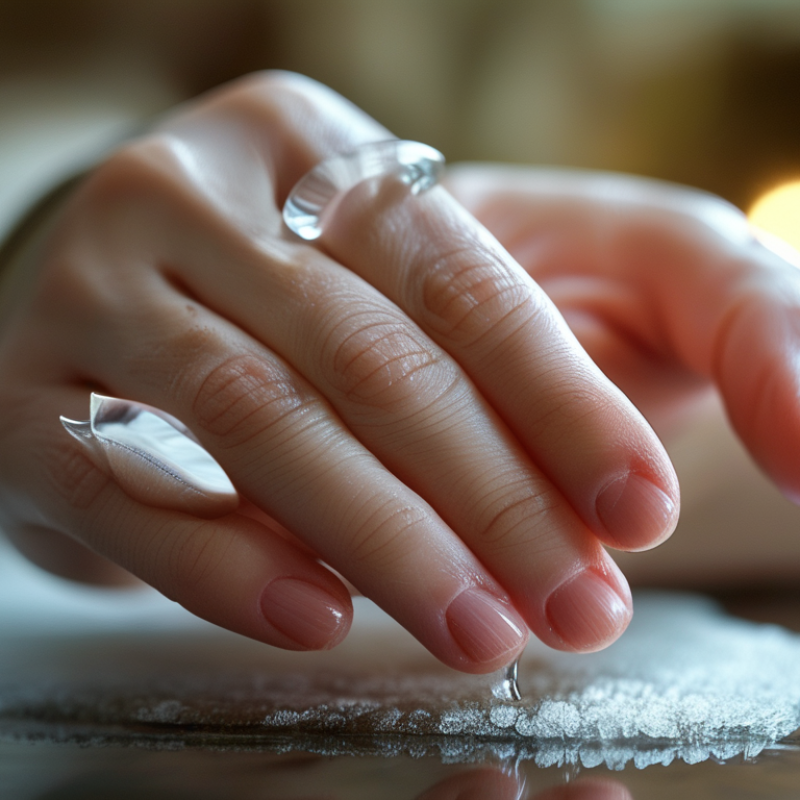
Healthy fingernails grow about 3 mm per month, according to dermatology guidance from the American Academy of Dermatology. A peer-reviewed nail-growth review reports a similar average, near 3.47 mm monthly. Growth varies with age, season, health, and the dominant hand. Slow growth is not automatically a problem.
Look closely at the nail plate. It should feel firm, smooth, and evenly colored. Eat enough protein, iron, zinc, and vitamin B12 through balanced meals. Deficiencies can weaken nails, but supplements are not harmless shortcuts. A blood test is more reliable than guessing.
I once overused biotin for brittle nails, expecting fast results. The change was disappointing, and high doses may interfere with some laboratory tests.
Moisturize nails and cuticles after handwashing. A thick, fragrance-free cream helps reduce splitting and rough edges. Wear gloves when washing dishes or handling cleaning products. Keep nails trimmed, and file gently in one direction. Do not cut cuticles deeply; they help block microorganisms. Avoid peeling polish and frequent soaking, which can leave nails dry and thin. A dark streak, sudden separation, persistent pain, or major color change deserves medical assessment. Natural care supports appearance, but it cannot correct every underlying condition.
Healthy-looking nails begin with identifying the cause, not covering the problem. Brittle nails often result from repeated washing, detergent exposure, acetone, or prolonged dryness. In many Chinese households, frequent dishwashing can worsen splitting. Wear lined gloves, apply a fragrance-free hand cream, and keep nails gently filed.
Trauma is another common cause. A hard impact may create dark blood beneath the nail, while picking cuticles can produce small cracks and inflammation. I once ignored a shallow split after moving furniture, and it widened over several weeks. That experience changed my routine: I trim damaged edges, avoid biting, and never use nails as tools. Growth is slow.
Infection needs more caution. Yellow, thick, crumbly nails, swelling, pain, or a persistent odor may indicate fungal or bacterial involvement. Do not seal these signs beneath polish or share nail tools. Keep feet dry, change damp socks, and clean clippers with suitable disinfectant. A clinician should examine spreading redness or severe tenderness. Nutrient gaps can also affect nail strength, especially when protein, iron, zinc, or certain vitamins are insufficient. However, supplements are not automatically helpful. A varied diet with eggs, beans, fish, leafy vegetables, fruit, and whole grains is a safer starting point. Blood testing can clarify suspected deficiency. Healing takes patience. Nakne.
Nails contain roughly 10–25% water, so daily moisture care can support a smoother, healthier appearance. The nail plate is made of keratin and has no natural oil glands. It cannot moisturize itself well. Apply a fragrance-free cream or ointment after washing, while the nails are still slightly damp. Massage it over the nail surface, sidewalls, and cuticles. Small amounts work better than heavy layers.
Repeat this routine before bed. A product containing glycerin, petrolatum, or low-strength urea may reduce dryness and rough edges. Keep hands protected when washing dishes or using cleaning solutions. Water exposure alone does not always hydrate nails. Repeated soaking and drying may make them bend, split, or peel. Keep nails at a practical length, and file rough edges gently in one direction.
Do not cut the cuticles deeply. They help seal the space around the nail. I used to soak my fingertips for longer, thinking more water meant better hydration. That habit sometimes left my nails softer and more fragile. Care needs adjustment. If nails remain brittle, develop dark streaks, pain, swelling, or sudden changes, seek advice from a qualified healthcare professional. A persistent problem may involve more than dryness.
How to Improve Nail Appearance Naturally: China’s Best Tips?
Choose Safer Products: Limit Acetone, Formaldehyde, and Aggressive Filing
Healthy-looking nails often begin with gentler routines, not stronger chemicals. Acetone removes polish quickly, but frequent soaking can leave nails dry, thin, and brittle. Use it occasionally, then wash your hands and apply a fragrance-free moisturizer. Keep the liquid away from broken skin.
Check ingredient labels carefully. Formaldehyde may harden weak nails temporarily, yet it can cause irritation or allergic reactions. A dermatologist or qualified nail professional can help you choose a safer strengthening product. Stop using any formula that causes burning, redness, swelling, or peeling. Natural does not always mean harmless.
File in one direction with a fine-grit file. Avoid rough back-and-forth sawing, which may create tiny splits at the nail edge. I used to buff uneven areas until they looked perfectly smooth. My nails became noticeably thinner. That habit needed changing. Now, I trim carefully, leave the cuticles intact, and avoid cutting deep into the surrounding skin. Small improvements matter. Regular breaks from polish can also reveal changes in color, texture, or shape. If unusual changes persist, seek medical advice instead of covering them with another layer.
Typical nail growth rates show how long damaged areas may take to grow out naturally.
Fingernails generally grow about 3 mm per month, while toenails grow about 1 mm per month. Because nails replace slowly, limit frequent acetone exposure, avoid formaldehyde-containing hardeners unless recommended by a professional, and use gentle filing in one direction. Moisturizing the nails and cuticles can also help reduce dryness and splitting.
Data shown are typical clinical estimates; individual growth varies with age, health, nutrition, and circulation.
Brittle nails often reflect everyday stress: repeated washing, detergent exposure, dehydration, or aggressive filing. In practice, gentler habits can matter more than expensive supplements. Keep nails trimmed, wear gloves during cleaning, and apply a thick moisturizer to nails and cuticles after washing. A balanced diet supplies protein, iron, zinc, and vitamin B12 through foods such as eggs, beans, fish, tofu, and leafy vegetables. However, appearance alone cannot confirm a deficiency.
Biotin deserves careful review. The U.S. National Institutes of Health Office of Dietary Supplements lists 30 micrograms daily as the adult adequate intake, while 2.5 milligrams equals 2,500 micrograms. That dose is about 83 times higher. A small 1999 clinical report observed stronger nails after six months, but it lacked a large, well-controlled comparison group. The evidence remains limited. Small studies are not useless, but they can mislead.
The U.S. Food and Drug Administration warns that high-dose biotin may interfere with some laboratory tests, including certain heart-related tests. Tell a clinician about supplements before bloodwork. A 2.5 mg daily dose should not be treated as a guaranteed beauty solution. It may help selected people, yet many users may notice nothing. That is the uncomfortable part. For persistent ridges, pain, discoloration, or sudden nail changes, medical assessment is more reliable than self-testing. Geological differences across China do not change basic nail biology, although diet, water exposure, and workplace habits can vary widely.
| Approach | Practical Guidance | Relevant Fact or Amount | Evidence for Improving Nail Appearance | Safety Considerations |
|---|---|---|---|---|
| Protect nails from repeated wetting and drying | Wear waterproof gloves for dishwashing and cleaning. Dry hands and nails thoroughly after washing. | Repeated water exposure and household chemicals can contribute to splitting and brittleness. | Moderate | Use clean, dry gloves and avoid prolonged moisture trapped under gloves. |
| Moisturize nails and cuticles | Apply a fragrance-free hand cream or plain emollient to the nails and surrounding skin after handwashing. | Regular moisturization may reduce dryness and mechanical cracking. | Moderate | Do not cut or aggressively push back the cuticle, which helps protect the nail root from infection. |
| Keep nails at a practical length | Trim regularly and file rough edges in one direction with a fine-grit file. | Fingernails grow approximately 3 mm per month, although growth varies by age, health, and season. | Moderate | Avoid using nails as tools and avoid excessive buffing, which can thin the nail plate. |
| Eat adequate protein | Include varied sources such as eggs, fish, dairy foods, beans, lentils, tofu, nuts, or seeds. | Nails are primarily made of keratin, a structural protein. Severe protein deficiency can affect hair and nails. | Moderate | Food-first nutrition is generally preferred over high-dose protein supplements unless medically indicated. |
| Correct iron deficiency when present | Ask a healthcare professional about testing if nails are unusually brittle, spoon-shaped, pale, or if fatigue or heavy menstrual bleeding is present. | Iron deficiency may be associated with spoon-shaped nails and other nail changes. | Moderate when deficient | Do not take iron routinely without testing or professional advice; excess iron can be harmful. |
| Consider zinc only when deficiency is likely | Obtain zinc from foods such as meat, seafood, dairy products, beans, and nuts. | Adult recommended dietary allowance: 8 mg/day for women and 11 mg/day for men. | Limited unless deficient | The adult tolerable upper intake level is 40 mg/day. Long-term excess may cause nausea and copper deficiency. |
| Review biotin carefully | Do not assume that a high-dose biotin supplement will improve normal nails. Discuss its use with a healthcare professional. | Biotin adequate intake for adults is 30 mcg/day. A commonly studied dose of 2.5 mg/day equals 2,500 mcg/day. | Limited | Evidence for 2.5 mg/day is limited and mainly concerns small studies of brittle nails. High-dose biotin can interfere with some laboratory tests, including certain thyroid and cardiac tests. |
| Avoid routine “nail detox” products | Focus on balanced nutrition, gentle nail care, and evaluation of persistent changes rather than cleansing regimens. | There is no established need for a detox program to remove ordinary toxins from healthy nails. | Insufficient evidence | Unregulated products may contain undisclosed ingredients or excessive doses. |
| Use nail polish and remover moderately | Take breaks if nails become dry or peel, and choose gentle removal practices. | Frequent polish removal and solvent exposure may worsen dryness and brittleness in some people. | Moderate for reducing irritation | Stop using a product if it causes redness, swelling, itching, or pain. |
| Seek evaluation for persistent or unusual changes | Arrange medical assessment for pain, swelling, dark streaks, nail lifting, significant color changes, or changes affecting several nails. | Nail changes can sometimes reflect infection, skin disease, medication effects, or systemic illness. | Important | Do not rely on supplements to treat an unexplained nail disorder. |
Repeated washing, detergents, acetone, dryness, trauma, infection, and nutrient gaps can weaken nails. Growth is slow.
Wear lined gloves when washing dishes or using cleaning solutions. Apply fragrance-free cream afterward. Repeated soaking and drying may increase splitting.
Apply cream or ointment after washing, while nails remain slightly damp. Massage the nail surface, sidewalls, and cuticles. Repeat before bed.
Glycerin, petrolatum, or low-strength urea may reduce rough edges. Use small amounts. Heavy layers are not always better.
Trim loose edges and file rough areas gently in one direction. Avoid biting, picking, or using nails as tools. I once ignored a small split, and it widened.
Yellow, thick, crumbly nails, swelling, pain, or persistent odor need careful attention. Do not hide these signs under polish. Keep feet dry and change damp socks.
Seek advice for spreading redness, severe tenderness, dark streaks, sudden changes, or persistent problems. Do not wait.
Low protein, iron, zinc, or certain vitamins may contribute to weak nails. Choose eggs, beans, fish, leafy vegetables, fruit, and whole grains. Supplements are not automatically helpful. Blood testing may clarify a suspected deficiency.
No. Cuticles help seal the space around the nail. Avoid deep cutting to reduce cracks and inflammation. Care sometimes needs adjustment.
Learning how to improve nail appearance naturally starts with understanding what healthy nails look like. Fingernails grow about 3 millimeters per month, so visible improvements require patience and consistent care. Brittle or uneven nails may result from repeated trauma, infection, frequent wetting and drying, or gaps in nutrients. A simple daily routine can help: keep nails clean and gently shaped, avoid picking or biting, and apply moisturizer to the nails and surrounding skin. Because nails contain approximately 10–25% water, maintaining hydration can support flexibility and reduce cracking.
Safer nail care also means limiting harsh exposure. Use acetone sparingly, avoid products containing formaldehyde when possible, and choose gentle filing techniques rather than aggressive buffing. Supplements should be considered carefully; biotin at 2.5 mg per day has limited evidence for improving nails and may not be suitable for everyone. A balanced diet, adequate hydration, and professional advice when changes persist are more reliable foundations for naturally healthier-looking nails.

Plek Beauty