Nail discoloration can signal various health issues. Understanding what causes nail discoloration is essential for early detection of underlying conditions. According to the American Academy of Dermatology, up to 10% of nail disorders stem from systemic diseases. The nails can reveal much about our overall health.
A study published in the Journal of Clinical Dermatology highlighted the impact of external factors, such as nail polish, chemicals, and trauma. These can lead to temporary discoloration. However, persistent changes often point to more serious concerns. Conditions like fungal infections or nutritional deficiencies are common culprits.
Recognizing the signs is vital. Regular nail assessments can help to spot unusual changes early. It’s important to seek professional advice if discoloration persists. Awareness of what causes nail discoloration not only aids in maintaining nail health but also contributes to better overall well-being. Reflecting on our nail care routines could reveal areas for improvement.
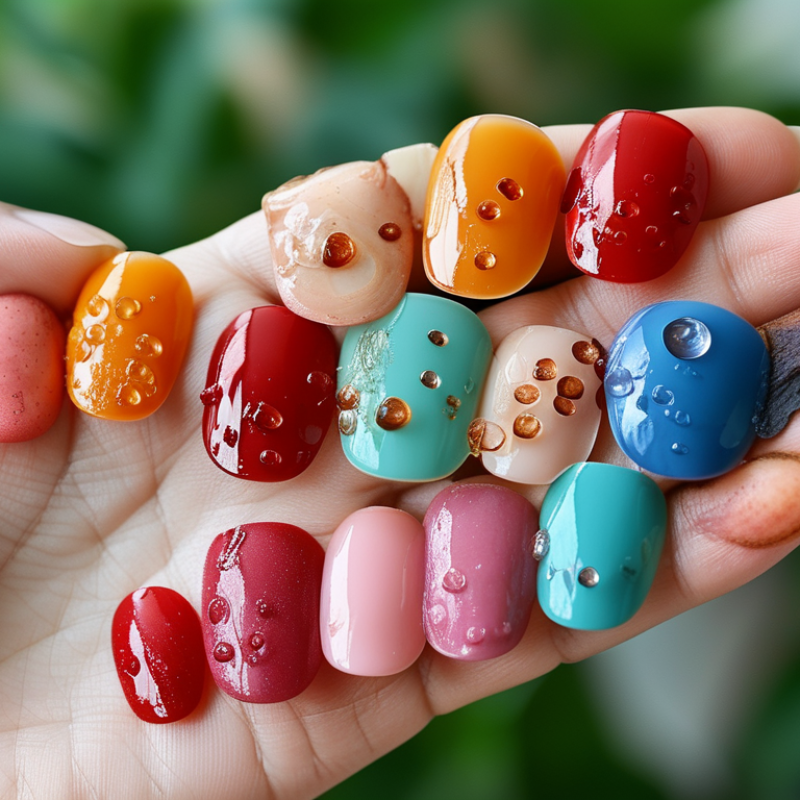
Nail discoloration can be perplexing. Various factors contribute to this cosmetic concern, impacting both health and appearance. Common causes include fungal infections, injuries, and chemical exposure. For instance, a fungal infection can create yellow or greenish hues on nails, while trauma may lead to dark spots.
Certain medical conditions also play a role. Diseases like psoriasis and thyroid disorders can manifest as nail color changes. Poor circulation often causes a bluish tint, signaling underlying health issues. Ingesting certain medications can also affect nail hue. Lifestyle choices, such as smoking, introduce toxins that stain nails.
Addressing the root causes is essential for resolution. Consulting a healthcare professional is wise for persistent discoloration. While nail polish may mask the problem, understanding the underlying issues is crucial. This knowledge empowers individuals to take proactive measures. Personal reflection on habits may reveal necessary adjustments to ensure healthier, vibrant nails.
| Cause of Discoloration | Description | Potential Solutions |
|---|---|---|
| Fungal Infection | A common cause of nail discoloration where fungi invade the nail bed. | Antifungal treatments, topical medications, and keeping nails dry. |
| Nail Trauma | Injuries to the nail can lead to discoloration or dark patches. | Resting the nail, using protective coverings, and monitoring for infection. |
| Chemical Exposure | Certain chemicals can stain nails, resulting in discoloration. | Use gloves when handling chemicals, and choose non-toxic products. |
| Nutritional Deficiencies | Lack of vitamins or minerals can affect nail health and color. | Incorporate a balanced diet with vitamins (biotin, vitamin E) and minerals (zinc, iron). |
| Medical Conditions | Conditions like psoriasis or diabetes can cause nail discoloration. | Consult with a healthcare provider for appropriate treatment options. |
: Nail discoloration can result from nail polish, hygiene issues, or underlying health conditions.
Maintain clean and dry nails, use cuticle oil, and hydrate your nails regularly to prevent discoloration.
Hydration nourishes nails, making them stronger and less prone to discoloration.
Focus on vitamins and minerals, especially biotin and zinc, to support nail health.
Yes, soaking nails in lemon juice and olive oil or exfoliating gently can help restore color.
Giving your nails breaks can be beneficial, allowing them to recover and prevent discoloration.
If discoloration continues, consulting a healthcare professional is advisable to address potential health issues.
Opt for breathable nail polishes to minimize the risk of moisture buildup and discoloration.
Nail discoloration can be a common concern, and understanding what causes nail discoloration is essential for maintaining healthy nails. Various factors, both external and internal, contribute to changes in nail color. External factors include exposure to harsh chemicals, frequent use of nail polish, and certain environmental conditions. Meanwhile, health conditions such as fungal infections, psoriasis, or systemic diseases may also play a significant role in altering nail coloration.
To prevent discoloration, individuals should practice good nail care by keeping nails clean and moisturized, avoiding trauma, and using protective measures when dealing with harsh substances. Additionally, there are effective treatments and home remedies that can help restore the natural appearance of discolored nails. By being aware of these causes and implementing proper nail care strategies, one can effectively manage and possibly prevent nail discoloration.

 Plek Beauty