After visiting a salon for nail treatments, proper aftercare is crucial. Many people overlook this essential step. Knowing how to care for nails after salon treatments can greatly enhance their longevity and appearance.
Salon treatments can leave nails vulnerable and delicate. It's important to follow a few best practices to protect your investment. Regular moisturizing is key to keeping your nails hydrated. Use a nourishing oil or lotion, especially after washing your hands. Pay attention to cuticles; they need care too.
Many clients neglect to adjust their daily habits. Avoid using your nails as tools to prevent damage. Be gentle with your nails when performing tasks like typing or opening containers. Reflecting on these simple actions can make a significant difference. Following these tips helps maintain your beautiful salon nails longer.
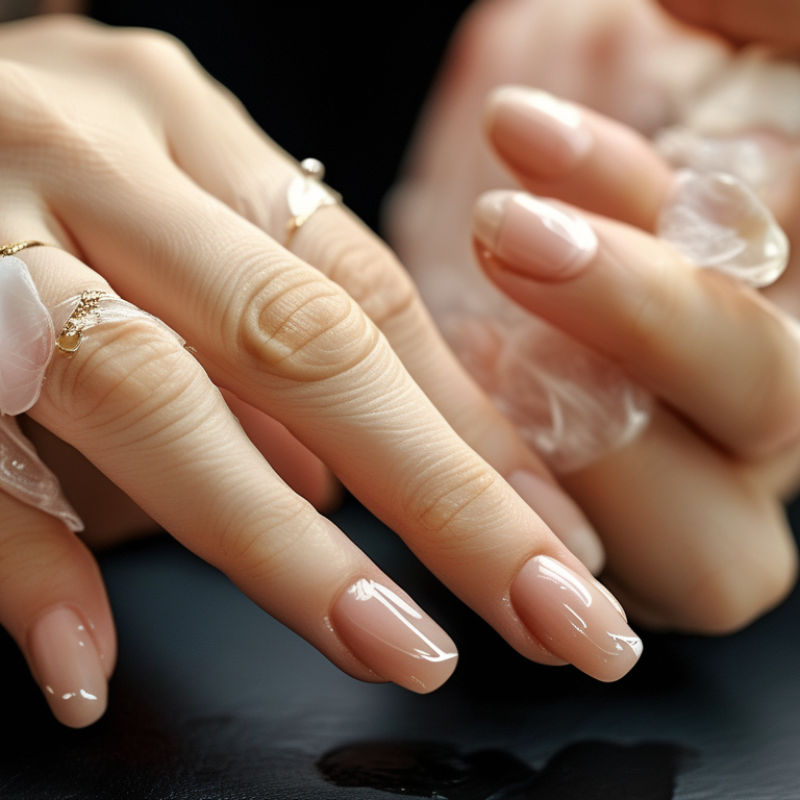
Understanding the importance of post-treatment nail care can greatly enhance the longevity of your salon results.
After a manicure or nail treatment, nails can be more susceptible to damage. Proper care not only maintains their beauty
but also ensures your nails stay healthy.
Keeping nails hydrated is crucial. Use a nourishing oil or cream daily. This can prevent brittleness and breakage.
Pay attention to the cuticles as well. They are delicate after treatments and need gentle care.
Avoid pushing them back too aggressively; this can lead to damage.
Regularly inspecting your nails is beneficial. Look for any signs of lifting or peeling. If you notice issues,
address them quickly. You might consider a follow-up appointment with your nail technician.
Keeping communication open can help you learn better maintenance techniques.
Remember that nails need breathability too. Avoid nail polish for a while after treatments.
This allows the nails to recover and maintain natural strength. By following these simple yet effective practices,
you can enjoy the results of your salon visit for much longer.
Caring for your nails after a salon treatment is essential for maintaining their health and aesthetic appeal. The right tools can make a significant difference in your at-home nail care routine.
Start with a quality nail file. Use it to gently shape your nails. Avoid aggressive filing as it can lead to splits and breaks.
Another important tool is cuticle oil. Regular application helps keep the cuticles hydrated and prevents hangnails.
A soft-bristle brush can be useful for cleaning under the nails. It is gentle and helps remove any leftover product or debris. Remember, over-scrubbing can damage the nail bed, so use it lightly.
Moisturizing lotion is also critical after any nail treatment. It helps nourish the nails and surrounding skin. Pay attention to your nail health regularly. If you notice any changes, like discoloration or pain, reflect on your nail care routine. It’s important to find what works for you. Start with these basic tools and adapt as necessary. Each individual’s nails are different, so learning to listen to your nails is key.
Caring for nails after salon treatments is essential to maintain their health. After a manicure or pedicure, it’s common to experience some fragility. The first step is to keep your nails hydrated. Use a nourishing cuticle oil daily. This helps prevent dryness and cracking. Remember, cracked nails can lead to infections.
Avoid exposure to harsh chemicals for a few days post-treatment. Wear gloves when cleaning or doing dishes. If your nails feel sensitive, don’t hesitate to give them a break from polish. This break lets your nails recover and grow stronger. It can be challenging to resist applying colors, but the health of your nails should come first.
Regularly check your nails for any signs of damage. Look for peeling or discoloration. If you notice any issues, consider consulting a professional. Reflection on your nail care routine is crucial. After all, everyone’s nails are different. Learning what works best for you will make a significant difference in your nail health.
After a salon treatment, nails require special care to ensure proper recovery. Research indicates that around 35% of clients experience nail damage post-treatment, commonly due to dehydration and chemical exposure. To promote healthier nails, incorporating specific products can make a significant difference. Look for nail oils that contain natural ingredients like jojoba oil or vitamin E. These can hydrate and nourish damaged nail beds. Reports show that using such oils regularly can improve nail strength by up to 40%.
Moisturizing creams that focus on the cuticles are equally essential. Dermatologists recommend products rich in shea butter or coconut oil. These creams can provide the necessary moisture that prevents cracking. A study found that regular application reduces nail breakage by approximately 30%. Nail hardeners might seem appealing, but they can occasionally lead to brittleness if overused.
Education on nail health often overlooks the importance of gentle care. While protecting your nails post-treatment, remember that less is sometimes more. Avoid excessive filing or harsh chemicals for at least two weeks. Gentle buffing can help smooth the surface without causing stress. This approach fosters a balance between care and recovery, steering clear of common pitfalls in post-salon nail maintenance.
After salon treatments, it's essential to monitor your nails for signs of distress. Healthy nails are typically smooth and consistent in color. If you notice discoloration or dark spots, this could indicate underlying issues. A study published in the Journal of Cosmetic Dermatology reports that up to 30% of nail salon clients experience nail complications, highlighting the importance of vigilance.
Look for signs like splitting, peeling, or excessive brittleness. These symptoms may arise from overexposure to chemicals or improper technique during treatments. Research shows that nearly 20% of individuals suffer from nail infections post-treatment. If your nails feel painful or look inflamed, it’s imperative to seek medical advice promptly.
Pay attention to hydration. Keep your nails moisturized to prevent dryness. Apply a nourishing oil regularly to make a difference. Ensure your diet includes biotin-rich foods, as this vitamin supports healthy nail growth. Listen to your body. If something feels wrong, don’t hesitate to question the treatment process. It pays to be proactive about your nail health.
| Sign of Unhealthy Nails | Description | Care Tips |
|---|---|---|
| Discoloration | Nails may turn yellow, green, or brown indicating possible infection or polish stains. | Use a clear base coat and avoid dark polishes; consult a doctor if discoloration persists. |
| Brittleness | Nails break easily and feel rough, which could be a sign of dehydration. | Moisturize regularly with nail oils and wear gloves during chores. |
| Ridges and Dents | Vertical ridges can indicate nutritional deficiencies; horizontal dents could signal underlying health issues. | Ensure a balanced diet rich in vitamins and consider a supplement if necessary. |
| Separation from Nail Bed | Nails may lift away from the nail bed, leading to discomfort and potential infection. | Keep nails trimmed, avoid tight shoes, and seek medical advice for treatment. |
| Peeling | Nails may begin to peel in layers, which can be due to excessive exposure to harsh chemicals. | Limit chemical exposure and use gentle nail products; hydrate nails frequently. |
: Key tools include a quality nail file, cuticle oil, and a soft-bristle brush for cleaning.
Gently shape your nails with the file. Avoid aggressive filing to prevent splits and breaks.
Cuticle oil keeps the cuticles hydrated and helps prevent hangnails. Apply it regularly for best results.
Use a soft-bristle brush to clean gently. Over-scrubbing can damage the nail bed, so be light-handed.
Apply moisturizing lotion to nourish your nails and surrounding skin after any nail treatment.
Regularly check for discoloration, peeling, or pain. Reflect on your nail care routine if you notice changes.
It’s best to give your nails a break from polish to recover and grow stronger after treatment.
Avoid harsh chemicals and wear gloves while cleaning or doing dishes to protect your nails.
Regular checking helps identify issues early. Consult a professional if you notice significant problems.
Yes, learning what works for you and reflecting on your routine can significantly improve your nail health.
Effective nail care after salon treatments is crucial for maintaining nail health and preventing damage. Understanding the importance of post-treatment care can help you ensure that your nails remain strong and vibrant. To begin, it’s essential to gather the right tools for at-home care, including cuticle oils, nail buffers, and moisturizers. Key practices such as keeping nails clean, avoiding excessive moisture, and regularly applying nourishing products can significantly enhance recovery.
When considering how to care for nails after salon treatments, it's vital to monitor your nails for any signs of damage or unhealthy conditions. Look out for unusual discoloration, brittleness, or peeling, and address these issues promptly. By following recommended practices and using appropriate products, you can support healthy nail recovery and enjoy beautiful nails long after your salon visit.

Plek Beauty