China Best Nail Care How to Keep Nails Healthy in Winter?

Time:2026-09-24 Author:Mason
0%

Cold weather can leave hands feeling tight, while frequent washing and indoor heating add to the strain on nails. The American Academy of Dermatology (AAD) advises moisturizing nails and surrounding skin, limiting prolonged contact with water, and wearing gloves for wet chores. These practical recommendations matter because repeated wetting and drying can contribute to brittle, splitting nails. The AAD’s guidance is useful, though it is not a winter-specific clinical trial or a measure of how many people develop nail problems each season.

For anyone searching how to maintain healthy nails during winter, the basics are modest: apply hand cream after washing, work it around each nail and cuticle, and wear warm gloves outdoors. A thin layer of moisturizer at bedtime can help when fingertips feel rough. Dr. Shari Lipner, a dermatologist specializing in nail disorders at Weill Cornell Medicine, emphasizes protecting nails from trauma and avoiding habits that weaken them, such as picking or biting. Her advice supports a careful routine, not a promise of instant results.

Small changes help. They are not magic. Nails grow slowly, and improvement may take weeks or months. Even diligent care cannot prevent every split, and persistent discoloration, pain, or nail separation deserves professional attention. Winter care is partly prevention, partly patience—and sometimes a reminder to reassess what is actually working.
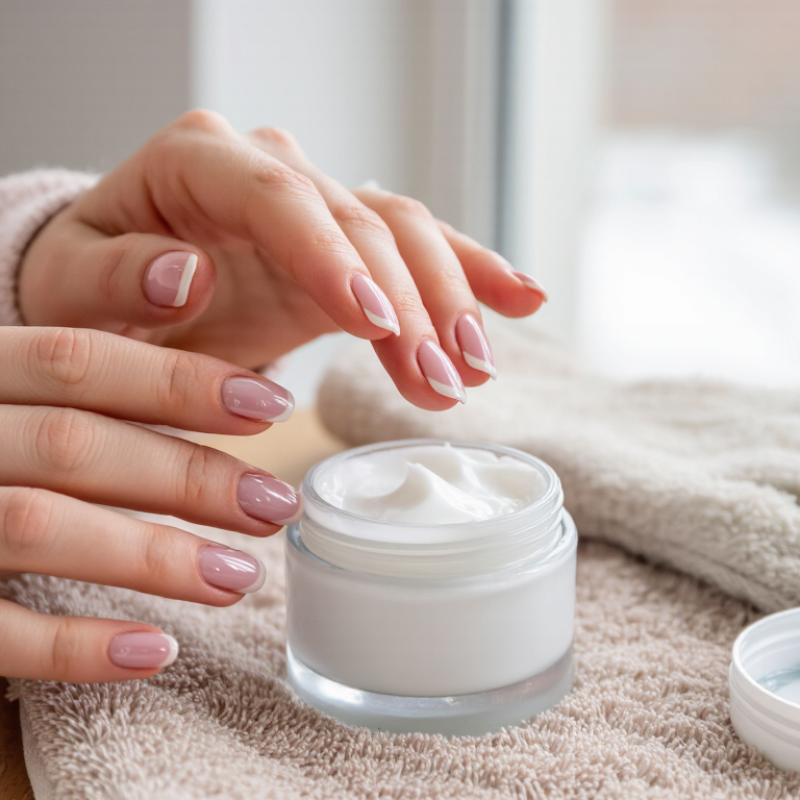
China Best Nail Care How to Keep Nails Healthy in Winter?

Understand Winter Nail Changes: Fingernails Grow About 3.5 mm per Month (AAD)

China Best Nail Care: How to Keep Nails Healthy in Winter?

Winter can make nails feel rough, thin, or easier to split. Cold air removes moisture, while indoor heating dries the skin around each nail. Frequent handwashing can worsen this effect. In daily care, apply a fragrance-free hand cream after washing. Massage a small amount over the nail plate and cuticles. Wear warm gloves outdoors. Simple, but easy to forget.

The American Academy of Dermatology notes that fingernails grow about 3.5 millimeters per month. This slow rate changes how you manage winter damage. A cracked edge will not disappear overnight. It must grow forward gradually, sometimes taking several months. Keep nails at a practical length, and file snags in one direction. Do not cut or aggressively push back the cuticles. They help protect the nail root from irritation and infection.

Water exposure also deserves attention. Dry your hands carefully, especially around the nail folds. Use protective gloves for prolonged cleaning, but replace damp gloves promptly. I used to think stronger filing solved splitting, yet rough filing often made the edge worse. That assumption needed correction. Persistent discoloration, pain, swelling, deep ridges, or sudden growth changes should be checked by a qualified dermatologist. Winter dryness is common, but it should not explain every nail change.

China Best Nail Care: How to Keep Nails Healthy in Winter? — Understand Winter Nail Changes: Fingernails Grow About 3.5 mm per Month (AAD)
Winter factor or nail change What to know Practical care
Nail growth Fingernails grow about 3.5 mm per month on average. Individual growth rates vary, and nails may grow more slowly with age. Allow time for growth; keep nails at a comfortable length and file rough edges gently.
Dry indoor air and cold weather Low humidity and frequent hand washing can dry the skin around nails and may leave nails feeling less flexible. Apply hand cream after washing and rub it over the nails and cuticles. Wear gloves outdoors in cold weather.
Brittle or splitting nails Repeated wetting and drying, harsh cleaning products, and rough handling can contribute to splitting or breakage. Use protective gloves for dishwashing and cleaning. Keep nails dry when possible and avoid using them as tools.
Cuticles and surrounding skin Cuticles help protect the area where the nail grows. Cutting or forcefully pushing them back can damage this protective barrier. Moisturize cuticles and avoid cutting or picking them. Clean nail tools regularly and do not share them.
Manicure and polish removal Frequent or rough polish removal can leave nails dry or more prone to damage. Remove polish gently, avoid scraping the nail surface, and take breaks from polish if nails become irritated or damaged.
Changes that need attention Persistent pain, swelling, unusual discoloration, or a nail that separates from its bed may need medical assessment. Seek advice from a healthcare professional for persistent or concerning changes rather than trying to diagnose them yourself.
General nail-care information. Average fingernail growth figure: American Academy of Dermatology (AAD).

Control Dry Indoor Air: Maintain 30–50% Relative Humidity (EPA)

Winter air can leave cuticles tight and nails prone to splitting, especially when indoor heating runs for hours. The U.S. Environmental Protection Agency advises keeping indoor relative humidity ideally between 30% and 50%, while avoiding levels above 60% to limit moisture problems. A small digital hygrometer on a bedroom shelf can reveal whether the air is actually dry; guessing from how warm a room feels is unreliable. Small device. Useful check.

When readings stay below 30%, a clean humidifier may help raise moisture levels gradually. Keep it away from walls and wipe condensation from windows, since excess humidity can encourage mold. The American Academy of Dermatology recommends moisturizing nails and cuticles, particularly after washing; a little fragrance-free cream rubbed around each nail before bed is practical. Humidity helps comfort, but it cannot repair a split nail overnight. I sometimes forget to refill a humidifier, so the reading can fall again. Check the meter, not just the machine’s setting. Keep nails trimmed, wear gloves for wet chores, and apply moisturizer after handwashing.

In winter, dry indoor air can contribute to dry nails and skin. The U.S. Environmental Protection Agency recommends keeping indoor relative humidity between 30% and 50%. A hygrometer can help you monitor humidity and adjust a humidifier as needed.

Protect Nails from Cold, Water, and Detergents with Gloves

Cold air, frequent handwashing, and indoor heating can leave nails dry and brittle. Water and detergents also weaken the nail’s protective layers when your hands stay wet for long periods. Wear waterproof gloves while washing dishes or cleaning, and use warm—not hot—water outdoors when possible. In cold weather, insulated gloves help protect fingertips from wind and sudden temperature changes. Take them off if your hands become sweaty; dampness inside can be irritating too.

Tips: Keep a pair of reusable gloves near the sink, and choose a soft cotton lining for longer chores. After washing, dry carefully around and beneath the nails, then apply a fragrance-free hand cream to your nails and cuticles. Avoid pulling at loose skin. I sometimes forget this step, especially after a quick rinse, and my cuticles show it the next day. Small habits help, though they may not prevent every split nail.

If gloves cause itching or redness, stop using them and try a different material. Persistent nail changes, pain, or swelling deserve advice from a qualified health professional, since dryness is not the only possible cause.

Build a Winter Routine: Moisturize Hands, Nails, and Cuticles

Cold air, indoor heating, and frequent handwashing can leave nails brittle and cuticles cracked. A winter routine should restore moisture after each wash, not only before bed. Pat your hands dry, then apply a fragrance-free cream while the skin is still slightly damp. Work it around each nail and over the cuticle edge. At night, use a thicker ointment and cotton gloves if your hands tolerate them. Small habit. Big difference over time.

The need is practical, not cosmetic: a 2018 systematic review in Contact Dermatitis estimated one-year hand eczema prevalence at 9.1% in the general population. Dry, irritated skin around nails can make everyday tasks uncomfortable, so wear lined gloves outdoors and rubber gloves for wet chores. Avoid trimming cuticles; they help protect the nail fold from irritation and infection. Keep nails short and file rough edges in one direction. If a cuticle splits, resist pulling it. I still forget after washing dishes sometimes, and that is usually when the skin starts complaining. For persistent redness, swelling, or painful cracks, seek advice from a qualified healthcare professional.

Spot Problems Early and Seek Care for Persistent Nail Changes

China Best Nail Care: How to Keep Nails Healthy in Winter?

Spot Problems Early and Seek Care for Persistent Nail Changes

Cold, dry air can leave nails brittle, rough, or prone to splitting. Notice what is usual for your nails, then watch for changes in color, shape, thickness, or attachment to the skin. A small white mark after a bump may grow out with the nail. A change that keeps spreading deserves more attention. Don’t guess from appearance alone.

Check nails in good light after washing your hands. Look for lifting, unusual dark streaks, persistent yellowing, or skin around the nail that stays red and swollen.

Take a clear photo every week; comparing images can reveal gradual changes that memory misses. I sometimes forget to check until a nail catches on fabric. That is not ideal, but a quick look can still help.

If a change persists for several weeks, worsens, or affects several nails, arrange an assessment with a healthcare professional. Seek care sooner for significant pain, warmth, pus, or a new dark streak that changes or spreads. These signs can have different causes, and a clinician can examine the nail and recommend appropriate care. Avoid covering a changing nail for weeks with polish; it can make monitoring harder. Keep notes on injuries, products, and when the change began.

FAQS

What indoor humidity level can help prevent dry winter air?

Aim for 30–50% relative humidity. Try to keep it below 60% to limit moisture problems. Small digital hygrometers help.

How can I tell if my room is too dry?

Place a hygrometer on a bedroom shelf and check its reading. Room warmth alone can be misleading.

Can a humidifier help brittle nails?

If humidity stays below 30%, a clean humidifier may raise moisture gradually. Check the meter, not just the machine setting.

How should I use a humidifier safely indoors?

Keep it away from walls and wipe condensation from windows. Too much moisture can encourage mold.

When should I moisturize my hands and cuticles?

Apply fragrance-free cream after washing, while hands are slightly damp. Rub it around each nail. Small habit. It adds up.

What can I do for dry hands overnight?

Use a thicker ointment before bed. Cotton gloves may help if they feel comfortable.

How can I protect my nails during chores?

Wear gloves for wet chores and keep nails short. File rough edges in one direction; avoid trimming cuticles.

What should I do if a cuticle splits?

Resist pulling it, and moisturize the area. I still forget after washing dishes sometimes.

When should I seek professional advice for irritated skin around nails?

Ask a qualified healthcare professional about persistent redness, swelling, or painful cracks. Don’t just wait it out.

Conclusion

Winter weather can leave nails dry, brittle, and more prone to splitting. Fingernails grow about 3.5 millimeters per month, so changes may take time to become noticeable. To understand how to maintain healthy nails during winter, focus on protecting them from cold, frequent exposure to water, and household detergents. Wear gloves when doing chores or spending time outdoors, and keep indoor air comfortably humid, ideally around 30–50% relative humidity.

Build a simple daily routine by moisturizing your hands, nails, and cuticles, especially after washing your hands and before bed. Avoid picking at cuticles or using nails as tools, since these habits can cause damage. Check your nails regularly for persistent changes in color, shape, or texture. If a change does not improve or is accompanied by discomfort, seek advice from a healthcare professional.

Mason

Mason

Mason is a seasoned marketing professional with a deep expertise in the company's offerings and a passion for driving brand awareness. With a strong background in digital marketing strategies, he has an innate ability to connect with diverse audiences and effectively communicate product benefits.......