The question “what is the difference between nail care and nail treatment” matters more than it first appears. Nail care focuses on maintenance: trimming nails evenly, moisturizing cuticles, cleaning tools, and protecting the nail plate from repeated damage. Nail treatment addresses a suspected problem, such as fungal infection, brittle nails, inflammation, discoloration, or separation from the nail bed. The two areas overlap, but they do not serve the same purpose.
The market reflects growing consumer attention. Grand View Research valued the global nail care products market at approximately USD 23.57 billion in 2023. Its report also projects continued growth through 2030. However, product popularity does not prove medical effectiveness. The American Academy of Dermatology notes that nail fungus affects about 10% of the general population and becomes more common with age. That detail changes the conversation. A cosmetic cover may hide a symptom, while treatment requires a careful assessment.
Dermatologist and nail specialist Dr. Dana Stern has said, “Nails are a window into your overall health.” Her point is practical. A yellow nail may reflect polish staining, trauma, or infection. These causes can look surprisingly similar under bathroom lighting. Treatment should therefore follow professional evaluation, not guesswork. Even this distinction is imperfect. Some daily habits support recovery, while aggressive filing or constant gel removal may worsen damage. This article examines where ordinary care ends, where treatment begins, and why responsible nail advice must acknowledge uncertainty.
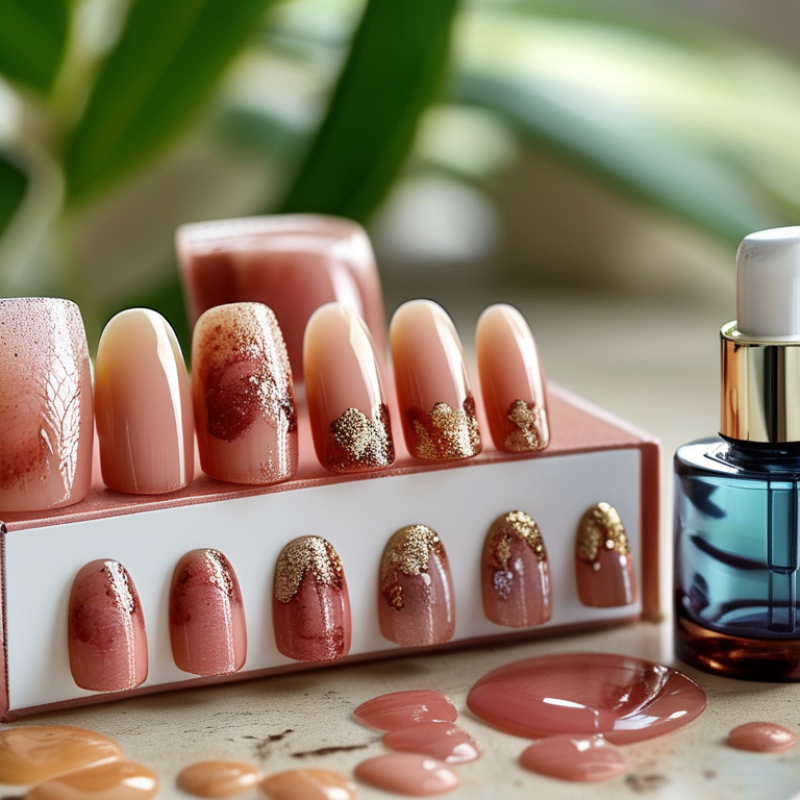
Why Is Nail Care Different From Nail Treatment?
Defining Nail Care and Nail Treatment
Nail care is routine maintenance for healthy nails. It includes gentle trimming, cleaning, moisturizing, and protecting the surrounding skin. These habits help reduce splitting, rough edges, and minor irritation. In my experience, small routines often prevent bigger concerns. Still, care cannot solve every nail problem.
Nail treatment responds to a specific condition or ongoing change. Yellowing, painful swelling, unusual thickness, or separation may need professional assessment. A qualified dermatologist or podiatrist can examine the nail and recommend suitable care. Treatment may involve medical guidance, not just cosmetic products. I once assumed a damaged nail needed stronger filing, but that made the surface thinner. That mistake reminded me to observe before acting.
Tips: Keep nails dry after washing, and moisturize the cuticles daily. Use clean tools and avoid cutting living skin. Do not cover persistent discoloration without understanding its cause. Photograph changes every few weeks. This simple record can help a professional notice patterns. If pain, spreading redness, or sudden changes appear, seek advice promptly. Healthy-looking nails are not always healthy nails.
| Dimension | Nail Care | Nail Treatment | Practical Difference |
|---|---|---|---|
| Primary purpose | Maintains clean, healthy-looking nails and surrounding skin. | Addresses a specific nail or skin concern and supports recovery. | Care is mainly preventive; treatment is problem-focused. |
| Typical focus | Nail length, shape, cleanliness, hydration, and basic grooming. | Changes such as persistent discoloration, splitting, thickening, inflammation, or suspected infection. | Treatment requires identifying the underlying concern rather than only improving appearance. |
| Common actions | Trimming, gentle filing, cleaning under the free edge, moisturizing, and protecting nails from unnecessary damage. | Targeted care recommended for a defined issue, with professional assessment when symptoms persist or worsen. | Routine grooming can be self-managed; persistent abnormalities should not be treated by grooming alone. |
| Recommended frequency | Regularly, based on nail growth, lifestyle, and personal hygiene needs. | According to the cause, severity, and response to the selected treatment plan. | Care follows a maintenance schedule; treatment follows the condition being managed. |
| Products or methods | Mild cleansers, moisturizers, cuticle conditioners, files, and nail clippers used correctly. | Condition-specific products or medical care may be required after the cause is evaluated. | A product suitable for general care may not be appropriate for a nail disorder. |
| Expected result | Cleaner nails, smoother edges, improved comfort, and better protection against everyday damage. | Improvement in the specific abnormality, symptoms, or underlying condition over time. | Care supports nail health; treatment aims to correct or control a defined problem. |
| Role of prevention | Central to the routine: keep nails dry when appropriate, avoid biting, and prevent trauma. | Important for reducing recurrence, but prevention alone may not resolve an existing condition. | Good care can reduce risk, but it is not a substitute for diagnosis or treatment. |
| Professional involvement | Often performed at home or during routine cosmetic grooming. | A qualified healthcare professional may be needed when there is pain, swelling, pus, spreading redness, injury, or persistent change. | Professional assessment is especially important when infection or a medical condition is possible. |
| Safety considerations | Use clean tools, avoid cutting living cuticle tissue, and do not share personal nail instruments. | Avoid covering or aggressively filing a suspicious nail before it has been assessed. | Safe hygiene applies to both, while treatment requires greater caution around diagnosis and product use. |
| Best use case | Healthy nails that need routine upkeep and protection. | Nails showing persistent or concerning changes that require targeted management. | Choose care for maintenance and seek treatment guidance for ongoing abnormalities. |
Note: Nail changes can have many causes. Pain, swelling, drainage, sudden discoloration, significant injury, or changes that do not improve should be assessed by a qualified healthcare professional.
: Nail care is routine maintenance for clean, comfortable, and healthy-looking nails. It includes gentle trimming, cleaning, moisturizing, and protection. Small habits help reduce splitting and rough edges.
Nail care supports general nail health. Nail treatment addresses a specific or ongoing problem. Persistent pain, swelling, thickening, or separation may require professional assessment.
Trim nails gently and avoid cutting living skin. Use clean tools and smooth sharp edges carefully. Do not file aggressively, because the nail surface can become thin.
Yes, apply a fragrance-free moisturizer around each nail daily. This may reduce dryness and cracking. I sometimes forget after washing.
Wear gloves during dishwashing or household cleaning. Dry your hands and nail folds carefully afterward. Repeated moisture can weaken surrounding skin.
Seek professional advice for persistent yellowing, thickening, odor, pain, or separation. Spreading redness or sudden changes deserve prompt attention. Do not panic.
No, cosmetic products cannot address every underlying condition. Covering discoloration may hide useful signs. A qualified professional can recommend suitable evaluation and care.
Take clear photographs every few weeks under similar lighting. Record changes in color, thickness, pain, or shape. Pictures may help reveal patterns.
Nail care and nail treatment are related but serve different purposes. Nail care focuses on everyday maintenance, such as keeping nails clean, trimmed, moisturized, and protected from common damage. It supports healthy nails through gentle habits, balanced hygiene, and avoiding behaviors that cause splitting, peeling, or breakage. In contrast, nail treatment is designed to address a specific nail concern, such as persistent weakness, discoloration, irritation, or changes in texture. It may involve targeted products, professional assessment, or a structured care plan based on the underlying problem.
Understanding what is the difference between nail care and nail treatment can help people choose the right approach. Routine nail care is mainly preventive and supports long-term nail health, while treatment is corrective and aims to improve an existing issue. If a nail problem continues, worsens, causes discomfort, or affects several nails, professional guidance may be appropriate. Combining consistent daily care with timely treatment can help maintain stronger, cleaner, and more comfortable nails.

 Plek Beauty