Nail health is often overlooked, yet many struggle with issues like peeling and splitting. Experts, like Dr. Lucy Reed, a renowned dermatologist, emphasize, “Understanding why do nails peel and split is crucial for effective treatment.” This highlights the importance of recognizing common causes.
The reasons for nail peeling and splitting vary widely, from nutritional deficiencies to improper care. External factors, such as harsh chemicals and frequent handwashing, can exacerbate the problem. Many individuals may not realize they are unconsciously damaging their nails. Ignoring the signs often leads to more severe issues.
Implementing proper nail care routines can significantly improve the condition of nails. Simple changes in diet, use of moisturizers, and avoiding harsh treatments can make a difference. However, persistent problems may indicate underlying health issues. Understanding why do nails peel and split allows individuals to take proactive steps to enhance their nail health.
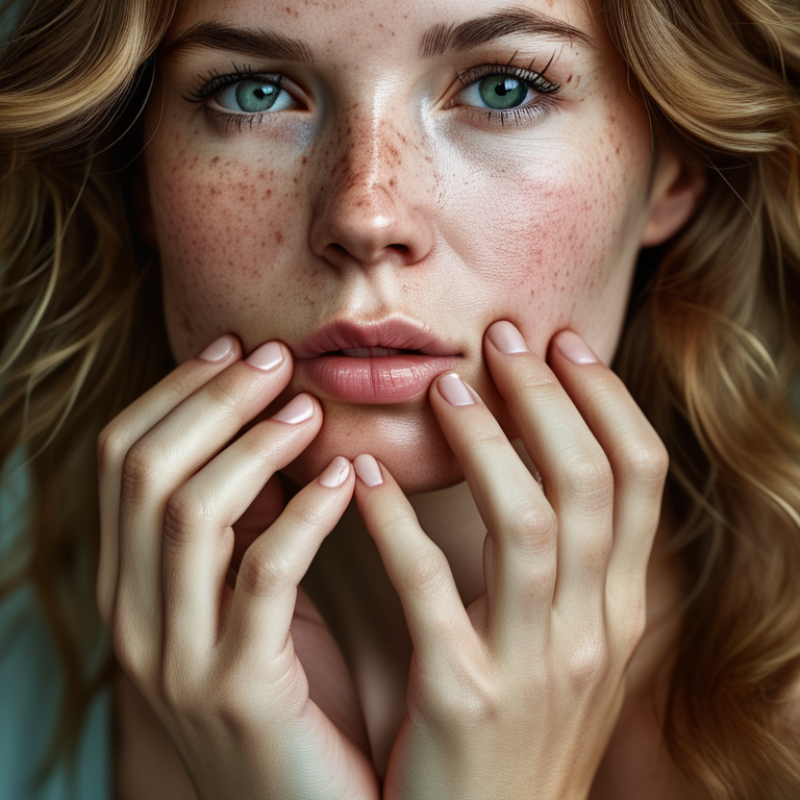
Common Causes of Nail Peeling and Splitting
Nail peeling and splitting can signal underlying health issues. Common causes include nutritional deficiencies, especially a lack of biotin and protein. According to a study published in the Journal of Dermatology, individuals with brittle nails often have lower levels of these essential nutrients.
Frequent exposure to water also contributes significantly. Prolonged soaking can weaken nails, making them more prone to damage. A dermatological research report noted that individuals who often wash their hands or use chemicals without gloves experience higher rates of nail issues. Moreover, conditions such as psoriasis can exacerbate nail health problems, often leading to splitting and peeling.
Lifestyle choices play a crucial role too. Nail biting and harsh filing can aggravate the situation. Additionally, stress and hormonal changes can lead to temporary nail problems. It's vital to recognize these factors, as they are often overlooked. While many seek quick fixes, understanding the root causes can lead to more effective solutions.
Impact of Nutritional Deficiencies on Nail Health
Nail health can significantly reflect overall wellness. Nutritional deficiencies often lead to issues like peeling and splitting nails. Key vitamins and minerals are essential for strong, resilient nails. A lack of biotin, zinc, and protein may weaken your nails, making them prone to damage.
Including diverse foods in your diet is crucial. For instance, almonds and eggs are fantastic sources of biotin. Lean meats and legumes can help boost protein intake. Don’t forget leafy greens, which provide vital nutrients for nail strength. Consult a professional if you suspect deficiencies; proper testing can guide effective dietary changes.
Tips for improving nail health include staying hydrated. Water helps maintain nail moisture. Be mindful of harsh chemicals in nail products. Consider natural alternatives when possible. Lastly, remember that stress can also affect your nails. Finding ways to relax may support better nail conditions. Regular check-ups with a healthcare provider ensure you remain on top of your nutritional requirements.
Environmental Factors Contributing to Nail Damage
Environmental factors play a significant role in nail health. Dry air can lead to brittle nails, causing them to split. For many, winter months bring indoor heating, which decreases humidity. This dryness can sap moisture from nails, making them fragile. Exposure to chemicals, such as those found in household cleaners, further exacerbates the issue. Frequent handwashing, while important, can also strip natural oils from nails.
Sun exposure is another environmental contributor. UV rays can damage the nail bed and surrounding skin. Over time, this can weaken nails and lead to peeling. High humidity can also affect nails negatively, making them soft and more prone to breakage. Individuals who live in humid climates may notice variations in their nail integrity.
To combat these factors, moisturizing regularly is crucial. Using a quality hand cream helps to lock in moisture. Protective gloves can shield nails from harsh chemicals and excessive water. Regular trims can also prevent further splitting. Reflecting on these habits can lead to healthier nails. Although it may take time to see improvements, consistency is key.
Common Environmental Factors Contributing to Nail Damage
This bar chart illustrates the common environmental factors contributing to nail damage and their frequency of impact among individuals. Lack of moisture and frequent hand washing are the leading causes known to affect nail health significantly.
Prevention Strategies for Healthy Nails
Maintaining healthy nails is essential to prevent peeling and splitting. Moisture balance is crucial. Dry nails often become brittle. Regularly applying a nourishing oil can help maintain this balance. Oils like jojoba or almond can provide hydration. A simple nightly routine can make a difference.
Diet also plays a significant role in nail health. Adequate protein intake supports nail strength. Including fruits and vegetables rich in vitamins is vital. Biotin, found in foods like eggs and nuts, promotes growth. Sometimes, supplementation may be necessary.
Limit exposure to harsh chemicals. Frequent use of nail polish and removers can weaken nails. Wear gloves when cleaning or gardening. Regular nail trimming helps reduce splits. Embrace these practices, but remember that consistency is key. Here’s to nurturing those nails!
Why Do Nails Peel and Split Common Causes and Solutions? - Prevention Strategies for Healthy Nails
| Common Causes |
Symptoms |
Prevention Strategies |
Recommended Solutions |
| Dryness and Dehydration |
Brittle nails, split tips |
Moisturize regularly, use gloves when cleaning |
Nail oils and hydrating lotions |
| Nutritional Deficiencies |
Weak nails, peeling |
Eat a balanced diet rich in vitamins |
Supplements (Biotin, Vitamin E) |
| Frequent Water Exposure |
Nail softening, splitting |
Limit hand washing, wear rubber gloves |
Use barrier creams |
| Harsh Chemicals |
Discoloration, brittleness |
Choose gentle cleaning products |
Nail strengtheners and treatments |
| Health Conditions (e.g., Psoriasis) |
Pitting, nail separation |
Regular check-ups with a dermatologist |
Medical treatments as prescribed |
Effective Treatments for Peeling and Splitting Nails
Peeling and splitting nails can be frustrating. They may be caused by various factors, including dry air, nail polish remover, or frequent hand washing. Certain health conditions also play a role, such as fungal infections or nutritional deficiencies. Addressing these issues requires a combination of care and preventive measures.
To treat peeling nails, hydration is essential. Regularly apply a nourishing cuticle oil or moisturize with hand cream. This can help restore nail flexibility and moisture. A balanced diet rich in vitamins, especially biotin and zinc, can strengthen nails from within. It's also wise to avoid harsh chemicals found in some nail care products. They can exacerbate nail damage.
Consider gentle filing techniques instead of harsh clipping. This can reduce splitting. Keep nails trimmed and tidy to prevent snagging. Pay attention to your habits and consider wearing gloves for protection during chores. Simple changes can lead to significant improvements in nail health, but it takes time and consistent effort.
Conclusion
Nails often peel and split for several reasons, prompting the question: why do nails peel and split? Common causes include frequent exposure to harsh chemicals, lack of moisture, and physical trauma. Nutritional deficiencies, particularly in vitamins and minerals such as biotin, zinc, and iron, can also significantly impact nail health. Additionally, environmental factors like extreme temperatures and humidity levels further contribute to nail damage.
To maintain healthy nails, prevention strategies such as keeping nails moisturized, avoiding prolonged exposure to water, and protecting hands with gloves when using cleaning products are crucial. For those already experiencing peeling and splitting nails, effective treatments include nourishing nail oils and hydrating treatments to restore strength and resilience. By understanding the underlying causes and implementing proper care, individuals can improve their nail health and prevent further issues.

 Plek Beauty