Nails are often overlooked in discussions about beauty and health. Yet, they can reveal much about our overall well-being. The question, "why do nails become thin over time," deserves attention. Thin nails may not seem like a major concern. However, they are indicators of underlying health issues.
Several factors contribute to this condition. Aging is a natural process affecting nail growth and strength. Nutritional deficiencies can also play a crucial role. For example, a lack of essential vitamins, minerals, and protein impacts nail health. Furthermore, environmental factors, such as excessive exposure to water or harsh chemicals, can weaken nails over time.
Understanding why nails become thin is essential for prevention. This knowledge empowers individuals to take better care of their nails. Addressing these issues requires a holistic approach. Regular maintenance, a balanced diet, and proper hydration can strengthen nails. By reflecting on these aspects, we can work towards healthier, stronger nails.
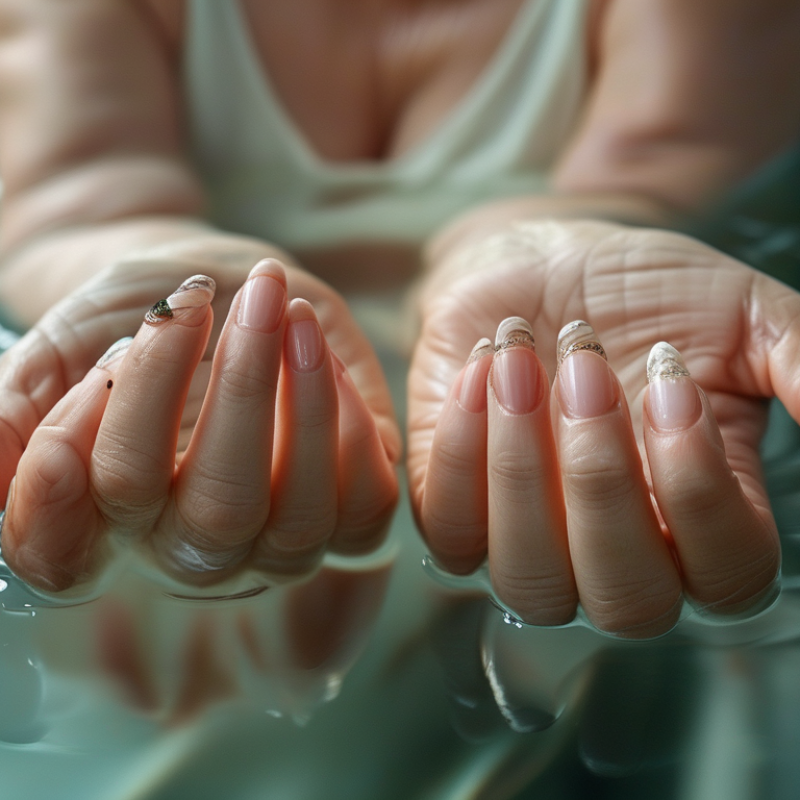
Nail thickness is influenced by various factors. Age is a significant one. Research indicates that nail growth slows down as people age. This leads to thinner, weaker nails over time. A study published in the "Journal of Dermatology" shows that nails typically lose about 0.5mm in thickness annually after the age of 30.
Nutrition also plays a crucial role. Deficiencies in essential vitamins and minerals can compromise nail health. Biotin, a B vitamin, is vital for maintaining nail structure. According to the American Academy of Dermatology, a lack of biotin may result in weaker nails. Hydration impacts nails, too. Dehydrated nails become brittle and more prone to thinning.
Lifestyle choices affect nail health. Frequent exposure to water can strip nails of their natural oils. Harsh chemicals in household products can weaken nails further. Individuals working in such environments may notice significant changes in nail thickness. Reflecting on these factors can help in devising strategies for healthier nails.
This chart shows the potential factors influencing nail thickness and health over time. The data is categorized by various reasons that can contribute to thin nails, presented in a bar chart format.
Nutritional deficiencies play a crucial role in the health of our nails. Lack of essential vitamins and minerals can lead to thin, brittle nails. For example, biotin, a member of the B-vitamin family, is vital for nail strength. Without adequate biotin, nails may become noticeably weak. Inadequate iron intake can also result in thin nails, leading to a condition known as spoon nails.
Protein is another critical component of nail structure. Nails are primarily made of a protein called keratin. Insufficient protein in your diet can hinder keratin production. This may weaken the overall structure of your nails. Calcium and zinc deficiencies matter, too. Nails may appear dull and fragile without these elements.
Reflection is necessary when considering your dietary habits. Are you getting a variety of nutrients? Overlooking simple dietary adjustments can have significant effects on your nail health. Everyday choices, like opting for processed foods, contribute to these deficiencies. Even small changes to your diet can improve your nails remarkably.
As we age, our bodies undergo various changes. Nails are not immune to these effects. Aging can lead to thinner, more fragile nails. This is often linked to a decrease in collagen production, essential for nail strength. Additionally, reduced moisture retention contributes to brittleness.
Nail growth slows down as we age. This can result in slower regeneration after injury. Older adults may notice more ridges and peeling. Nutritional factors also play a role. A deficiency in essential vitamins can hinder nail health. Eating a balanced diet is crucial for maintaining strong nails.
Understanding these changes can help with nail care. Regular moisturizing and gentle grooming can improve resilience. Awareness of these factors can foster better habits. Paying attention to nail health is an important aspect of overall well-being. Aging brings challenges, but informed care can make a difference.
| Reason | Description | Impact | Age Group Affected |
|---|---|---|---|
| Decreased Blood Circulation | Aging reduces blood flow to the extremities, affecting nail health. | Thin and brittle nails | 50+ |
| Nutritional Deficiencies | Lack of essential vitamins and minerals affects nail strength. | Weak and fragile nails | All age groups |
| Decreased Cell Regeneration | Aging slows down the natural process of cell renewal. | Slower nail growth | 60+ |
| Hormonal Changes | Aging brings hormonal shifts that can alter nail growth patterns. | Thinning of nails | 40+ |
| Environmental Factors | Exposure to harsh chemicals and elements impacts nail health. | Dry and brittle nails | All age groups |
Thinning nails can be linked to various medical conditions. One common issue is hypothyroidism. This condition slows metabolism, affecting nail growth. As a result, nails may become weak and brittle. Another significant factor is iron deficiency anemia. When the body lacks iron, it can lead to fewer nutrients reaching the nails. This condition often manifests as thin, spoon-shaped nails.
Nail fungus is also a frequent culprit. It thrives in warm, moist environments. This infection can weaken the nails, causing them to discolor and become fragile. Psoriasis, an autoimmune disorder, can cause nail changes too. Psoriasis may lead to pitting and splitting, resulting in visibly thinner nails.
Tips for maintaining healthy nails are essential. Keep your nails clean and dry to avoid infections. Moisturize your nails regularly to prevent dryness. Incorporate a balanced diet rich in vitamins and minerals. Focus on foods high in iron, like spinach and beans, to support nail health. Remember, observing your nails may reveal underlying health issues that need attention. Be proactive about your nail care to mitigate these common problems.
Nails can become thin and brittle due to various environmental exposures. Frequent contact with harsh chemicals found in cleaning products is a leading cause. According to a study published in the Journal of Dermatology, nearly 35% of individuals reported weaker nails after using such products regularly. These chemicals strip natural oils, leading to weakened nail structures.
Fashion trends featuring constant nail polish and artificial nails also play a significant role. The same journal noted that individuals who frequently wear artificial nails experience a higher risk of nail thinning. The adhesive used can damage the nail bed, making it more susceptible to environmental factors. Repeated exposure can contribute to irreversible changes over time.
Weather conditions can impact nail health too. Cold, dry air often leads to dehydration of nails. In fact, a survey found that 60% of participants noticed reduced nail strength during winter months. This highlights the impact of seasonal changes and environmental elements on nail integrity. Understanding these factors can help in developing better nail care practices.
: Biotin, protein, calcium, iron, and zinc are crucial for nail health.
Aging leads to thinner, weaker nails and slows down nail growth.
Spoon nails occur due to iron deficiency, causing nails to become thin and concave.
Yes, inadequate nutrition can weaken nails. Balanced diets promote nail resilience.
Harsh chemicals, weather, and frequent artificial nails can weaken nails.
Regular moisturizing helps maintain nail strength and resilience, especially when aging.
Absolutely! Simple changes can significantly enhance the strength of your nails.
Without moisture, nails become brittle and more prone to breaking or peeling.
Yes, harsh chemicals can strip oils and weaken nail structure over time.
Yes, cold and dry weather can lead to reduced nail strength and hydration.
Nails can become thin over time due to a variety of factors that impact their structure and health. One significant reason is nutritional deficiencies; a lack of essential vitamins and minerals can weaken nails and lead to thinning. Additionally, the aging process affects nail growth and resilience, making them more brittle. Common medical conditions, such as hormonal imbalances or dermatological issues, are also linked to thinning nails, highlighting the importance of overall health in maintaining nail integrity.
Environmental exposures, including harsh chemicals and frequent water immersion, can further contribute to nail weakness. Understanding why do nails become thin over time helps in taking preventive measures, such as improving one's diet, managing health conditions, and minimizing exposure to damaging environments. By addressing these factors, individuals can work towards healthier, stronger nails.

Plek Beauty