Why Are My Nails Brittle and What Causes Them?

Time:2026-11-23 Author:Mason
0%

Brittle nails can split at the tips, peel in thin layers, or snag on a sweater. A small crack may seem cosmetic, yet repeated breakage can make everyday tasks uncomfortable. If you have wondered what causes brittle nails, the answer is often more than one thing. Frequent handwashing, long periods with wet hands, and repeated wet-dry cycles can weaken the nail’s outer layers. Cleaning products, nail polish remover, and rough filing may add to the damage. Sometimes, it is both.

Age and everyday wear can also make nails more fragile. A manicure, a new job involving water, or a cold, dry season may offer useful clues, but one detail rarely proves the cause. Some people notice changes alongside skin conditions or thyroid problems; less commonly, nutrition or other health issues may contribute. Brittle nails alone cannot identify a specific deficiency or illness. That is easy to overlook.

This guide explores common causes, practical ways to protect nails, and signs that deserve medical attention. Gentle habits—wearing gloves for wet chores, moisturizing hands and nails, and avoiding aggressive cuticle care—may help reduce further splitting. Progress can be slow, because damaged nail must grow out. If changes persist, worsen, or appear with pain, swelling, unusual color, or changes in several nails, a healthcare professional can assess them. The pattern matters, and so does the rest of your health.
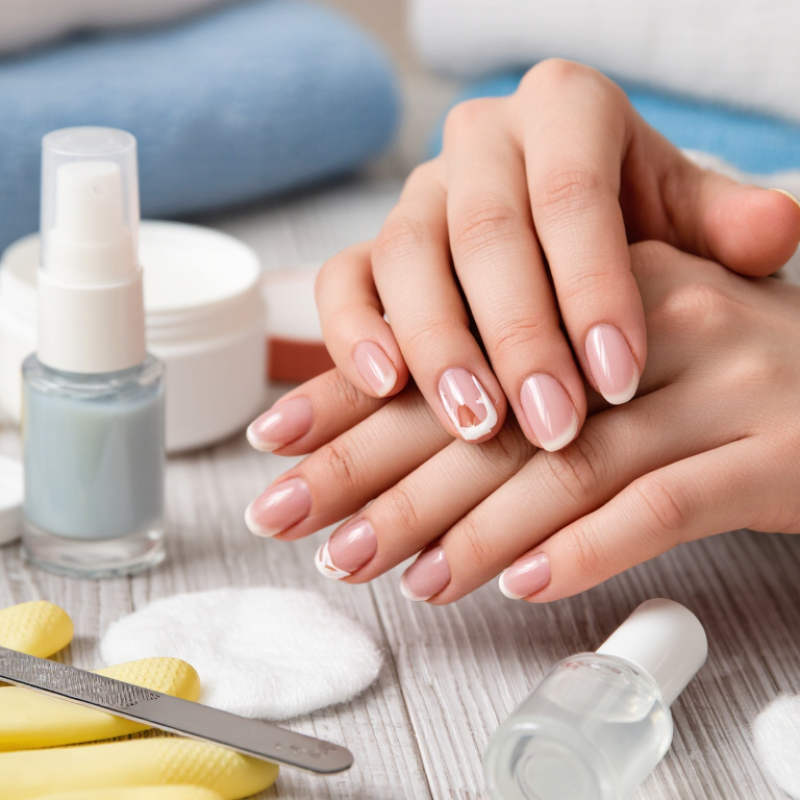
Why Are My Nails Brittle and What Causes Them?

What Brittle Nails Look and Feel Like

Brittle nails may look dry, dull, or rough, with layers peeling away at the tips. You might notice lengthwise ridges, small splits, or edges that break before the nail grows out. A clinical review of brittle nail syndrome estimates that it affects about 20% of people and is roughly twice as common in women. That figure describes a broad pattern, not a diagnosis for any one person.

They may catch on clothing. The nail surface can feel thin or papery, and a split may snag when you run a finger over it. Some people find that polish chips quickly or that nails bend during ordinary tasks, like fastening a button. Usually, brittleness itself is not painful; soreness, swelling, or a change in color deserves closer attention.

The appearance can vary: one nail may split at the tip, while several feel fragile across the whole hand. Repeated wetting and drying can contribute, but looks alone cannot reveal the cause. It is easy to blame dryness and stop there. If the change is sudden, persistent, or affects only one nail, a health professional can assess it and check for other signs.

How Nail Structure Influences Strength

A nail is not a solid, living shell. Its visible plate is made of tightly packed keratin cells, layered like thin sheets. These layers help the nail resist bending and everyday knocks. Beneath the plate, the nail bed supports it, while the matrix near the base produces new nail cells. That matters. If the matrix is irritated or the plate’s layers split, nails may become weak or peel at the tips.

Repeated wetting and drying can make the layers swell and contract. Soap, cleaning products, frequent polish removal, and rough filing may add to wear. Dry air can also leave nails feeling less flexible. It is easy to blame one cause, but brittleness can have several contributors. Sometimes it is linked with a skin condition, medication, or a health issue, so persistent changes deserve medical advice—especially if nails also change color, thicken, or hurt.

Tips: Wear gloves for prolonged dishwashing or cleaning, and pat hands dry afterward. File gently in one direction; avoid picking at peeling edges. Apply moisturizer to nails and cuticles after washing. Small steps help, though they will not fix every cause.

Why Are My Nails Brittle and What Causes Them? — How Nail Structure Influences Strength
Nail Structure or Factor How It Relates to Nail Strength What May Contribute to Brittleness Helpful Context
Nail plate The visible nail is made mainly of tightly packed, hardened keratin cells arranged in thin layers. These layers give the nail its shape and resistance to everyday stress. Repeated bending, picking, scraping, or other mechanical stress can cause splitting, peeling, or breakage. Fragile nails often split at the free edge or peel in thin layers.
Keratin layers and cell bonds Strong connections between nail-plate cells help the layers remain cohesive. Frequent cycles of wetting and drying can make nails expand and contract, which may weaken the connections between layers over time. Repeated handwashing, prolonged contact with water, and household wet work can contribute, especially without protective gloves.
Water and surface oils The nail plate contains water and lipids; their balance affects flexibility. Nails that are too dry or repeatedly exposed to moisture changes may become more prone to splitting. Dry environments, harsh cleansers, and frequent use of solvents such as acetone may worsen dryness in some people. Using a moisturizer on nails and surrounding skin may help reduce dryness, though it cannot treat every underlying cause.
Nail matrix The matrix, located beneath the skin at the base of the nail, produces most of the nail plate. Its health influences the nail as it grows. Injury or inflammation affecting the matrix can alter the appearance or growth of the nail. A change may become visible only as the affected portion grows out, because fingernails grow gradually.
Repeated manicure or cosmetic procedures The nail plate can be thinned or damaged by repeated filing, scraping, forceful removal, or other aggressive preparation. Frequent gel or artificial nail application and removal may contribute to surface roughness, peeling, or brittleness. Allowing nails to recover and avoiding forceful removal can reduce additional mechanical damage.
Age and everyday wear Nail growth and surface characteristics can change with age, and nails may become more fragile for some people. Normal aging, cumulative exposure to water or chemicals, and repeated minor trauma may all play a part. Brittleness can have more than one contributing factor; a single cause is not always identifiable.
Health conditions and nutrition Some systemic conditions and nutrient deficiencies can affect nail growth or appearance. Iron deficiency and thyroid disorders are among the possible medical contributors, but brittle nails alone do not establish a diagnosis. Persistent or unexplained changes are worth discussing with a healthcare professional rather than treating with supplements without advice.
When to seek medical advice Nail changes can sometimes reflect infection, inflammation, injury, or another health issue. Sudden changes, pain, swelling, discoloration, separation from the nail bed, or changes affecting several nails may need assessment. A clinician can examine the nails and decide whether testing or treatment is appropriate.

Common Causes of Brittle Nails

Brittle nails often develop after repeated exposure to water and drying. Frequent handwashing, dishwashing, and cleaning can weaken the nail’s outer layers. Nails may split at the tips after moving between wet hands and dry air. Soap and household detergents can add irritation, especially when skin around the nails is already dry. Small habits matter.

Filing back and forth, picking at peeling edges, or removing polish roughly can also cause damage. Gel or acrylic manicures may leave nails thinner, particularly when coatings are peeled off. A small knock might affect one nail; repeated pressure can affect several. It is tempting to blame one product, but everyday wear often builds up gradually.

Sometimes, brittle nails accompany a health issue, such as iron deficiency or a thyroid problem. This is less likely to be the cause when nails are the only symptom, but persistent changes deserve attention. A clinician can assess the pattern and decide whether testing is appropriate. Look for other clues, too: unusual fatigue, changes in nail color, or nails lifting from the nail bed. Results can be imperfect, and brittle nails alone do not identify a specific diagnosis.

How Brittle Nails Are Assessed

How Brittle Nails Are Assessed

A clinician usually starts by looking closely at the nails, fingertips, and surrounding skin. They may check whether nails split at the tips, peel in thin layers, or show ridges and color changes. The pattern matters: one damaged nail may suggest repeated local injury, while changes across several nails can point to broader causes. The nails are clues, not a diagnosis.

Expect questions about when the changes began, hand-washing habits, work exposures, diet, and medicines. A clinician may also ask about skin conditions or other symptoms. Assessment is not always tidy; nails grow slowly, so the cause can be hard to pinpoint from one visit. If the appearance or history raises concern, a clinician may order targeted tests, such as a nail sample or blood work. Not everyone needs testing. Pain, swelling, sudden dark discoloration, or nail changes that persist deserve medical attention.

Tips: Before an appointment, note when the brittleness started and whether it affects one nail or many. Bring a list of medicines, and mention frequent wet work or chemical exposure. A clear photo can help track changes. Small details count. Avoid trimming away or covering an unusual area before it is assessed, if practical.

Ways to Protect and Strengthen Nails

Brittle nails often split after repeated wetting and drying, harsh detergents, or frequent polish removal. A peer-reviewed clinical review estimates brittle nail syndrome affects about 20% of people, with women and older adults more commonly affected.

Water matters. Wear rubber gloves with cotton liners for dishwashing and cleaning, then dry your hands and nails carefully.

Apply a thick, fragrance-free moisturizer to the nail plate and cuticles after washing; petroleum jelly can help seal in moisture overnight.

Keep nails short and gently file rough edges in one direction. Avoid scraping beneath them or cutting cuticles, which can irritate the skin and invite infection.

Give gel or acrylic manicures a break if nails are peeling, and use polish remover sparingly.

Small changes help. I sometimes forget gloves for a quick rinse, but repeated exposure still adds up.

Not always. If brittleness persists, or comes with pain, discoloration, swelling, or changes in nail shape, consult a dermatologist. Nail changes can have several causes, and a clinician can assess whether an underlying condition or nutrient deficiency needs attention.

FAQS

What commonly makes nails brittle?

Repeated wetting and drying can weaken nail layers. Dishwashing, handwashing, and harsh detergents may contribute.

Can everyday habits damage nails?

Yes. Filing back and forth, picking peeling edges, or roughly removing polish can cause damage. Small habits matter.

How can I protect my nails while cleaning?

Wear rubber gloves with cotton liners when washing dishes or cleaning. Dry your hands and nails carefully afterward.

Does moisturizing help brittle nails?

A thick, fragrance-free moisturizer can help after washing. Apply it to the nails and cuticles; petroleum jelly may seal in moisture overnight.

Should I change how I file my nails?

Keep them short and gently file rough edges in one direction. Avoid scraping underneath or cutting cuticles. It’s easy to forget.

Can gel or acrylic manicures affect nail strength?

They may leave nails thinner, especially if coatings are peeled off. Consider a break when nails are peeling, and use polish remover sparingly.

When should I ask a clinician about brittle nails?

Seek advice if changes persist or come with pain, discoloration, swelling, or altered nail shape. A clinician can assess possible causes.

Do brittle nails always mean a health problem?

No. Everyday wear is common, and brittle nails alone do not identify a diagnosis. Other clues, such as unusual fatigue, may matter.

How common is brittle nail syndrome?

One clinical review estimates it affects about 20% of people. Women and older adults are more commonly affected, though estimates may vary.

Conclusion

Brittle nails often feel dry, thin, rough, or prone to splitting, peeling, and breaking during everyday activities. Their strength depends partly on the structure of the nail plate and the layers that help hold it together. When these layers lose moisture or become repeatedly stressed, nails may be less flexible and more likely to crack.

Understanding what causes brittle nails can help guide practical care. Common contributors include frequent exposure to water or cleaning products, repeated manicures or polish removal, aging, and certain health or nutritional factors. A professional may assess nail appearance, daily habits, and other symptoms to identify possible causes. Protecting nails with gloves during wet or household tasks, moisturizing nails and surrounding skin, avoiding harsh treatment, and keeping nails at a manageable length may help reduce damage. Persistent brittleness or noticeable changes in nail color, shape, or growth may warrant medical advice.

Mason

Mason

Mason is a seasoned marketing professional with a deep expertise in the company's offerings and a passion for driving brand awareness. With a strong background in digital marketing strategies, he has an innate ability to connect with diverse audiences and effectively communicate product benefits.......