2026 Best Tips Why Do Nails Become Dry and Fragile?

Time:2026-09-19 Author:Madeline
0%

Dry, splitting nails can make ordinary tasks feel surprisingly difficult. A zipper catches. A thumbnail peels while opening a package. Many readers ask, “why do nails become dry and fragile?” The answer is rarely just one habit. Frequent handwashing, harsh soaps, acetone, cold air, and repeated soaking can remove protective oils from the nail plate. Aging, nutritional shortages, thyroid disease, eczema, psoriasis, and some medicines may also contribute.

Board-certified dermatologist and nail specialist Dr. Dana Stern offers a useful perspective: “Nails are a window into your overall health.” Her statement reminds us to look beyond cosmetic damage. Nail changes may reflect daily exposure, but persistent ridges, discoloration, pain, or separation deserve professional attention. A careful assessment is more reliable than guessing from online photographs.

This guide explores why do nails become dry and fragile through practical, evidence-informed explanations. It will examine moisture loss, filing habits, polish removers, and possible medical causes. It will also discuss safer routines, including gloves for dishwashing, gentle filing in one direction, and regular cuticle moisturization. Small changes matter.

Still, not every brittle nail has a serious cause. That is where I may need to be cautious. Beauty advice often sounds certain, yet individual nails can behave differently. If breakage continues for several months, or several nails change together, consult a dermatologist. A professional can review your history, examine the nail surface, and order tests when appropriate. Healthy-looking nails begin with informed care, not quick promises.
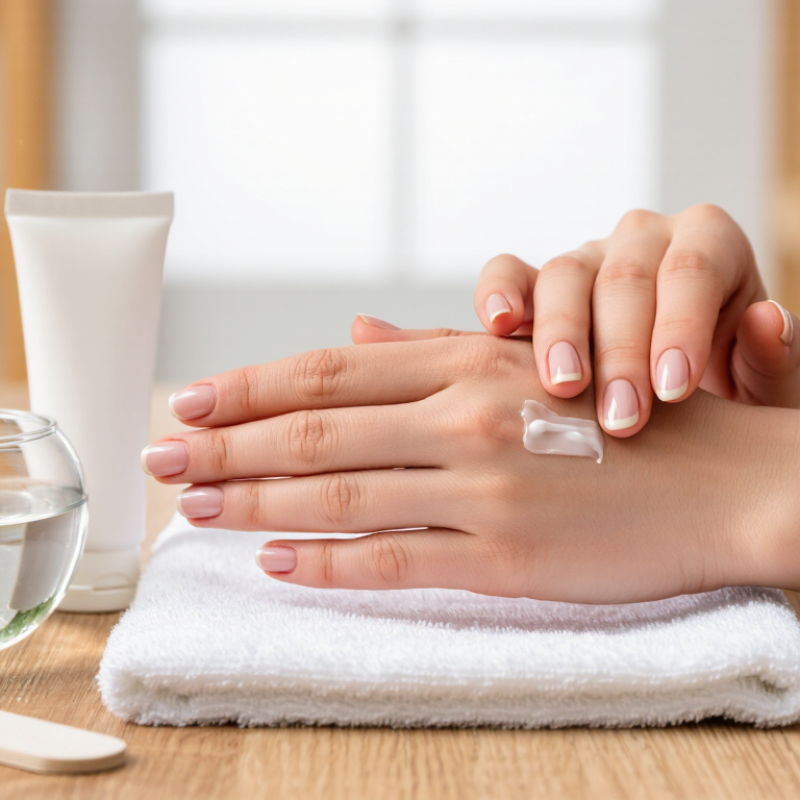
2026 Best Tips Why Do Nails Become Dry and Fragile?

What Dry and Fragile Nails Reveal About Nail Health

Dry and fragile nails often reveal a weakened nail barrier, not merely a cosmetic concern. Repeated handwashing, hot water, detergents, and alcohol-based products can remove protective oils. Tiny splits may appear at the tips, especially when nails meet paper, fabric, or hard surfaces. Peeling layers can also suggest repeated soaking and drying, harsh filing, or frequent exposure to nail products.

It is tempting to blame one missing nutrient, but that explanation is often too simple. Low iron levels, thyroid disorders, psoriasis, and fungal infections can sometimes affect nail texture. However, nail changes alone cannot confirm any condition. A clinician should assess persistent cracking, pain, swelling, unusual color, or separation from the nail bed. New changes affecting several nails deserve closer attention.

Protective habits can support healthier growth. Wear gloves during cleaning, pat hands dry, and apply a thick moisturizer around the nails and cuticles. Keep nails comfortably short, and file rough edges in one direction. Avoid cutting the cuticles deeply, since they help block irritants and microbes. Improvement is slow because fingernails grow gradually. Even a careful routine may not solve the problem immediately, which is worth remembering before trying supplements or aggressive treatments.

Common Internal and External Causes of Nail Dryness

2026 Best Tips: Why Do Nails Become Dry and Fragile?

Dry, fragile nails rarely have one simple cause. Internal changes may affect how the nail plate grows. Low iron, insufficient protein, thyroid problems, and some skin conditions can contribute to splitting. Aging also reduces nail moisture and growth speed. However, brittle nails do not automatically prove a nutrient deficiency. Self-diagnosis can be misleading.

External exposure is often easier to notice. Frequent hand washing, long contact with water, household cleaners, and dry winter air can remove protective oils. Nail polish removers may worsen peeling when used repeatedly. Aggressive filing, cutting cuticles too deeply, or picking at lifting layers can create tiny cracks. They seem harmless at first. They accumulate.

A practical approach is to observe patterns for several weeks. Do nails worsen after cleaning, cold weather, or salon procedures? Wear protective gloves during wet tasks, dry hands carefully, and moisturize the nails and surrounding skin. Keep nails moderately short, and file gently in one direction. I used to think more treatment meant faster improvement, but rough handling can prolong damage. Persistent splitting, pain, swelling, unusual color, or changes in one nail deserve medical evaluation. A qualified clinician may examine the nail and request appropriate tests instead of recommending supplements blindly.

How to Identify Symptoms Linked to Brittle Nails

Dry, fragile nails often show more than simple breakage. Look for peeling layers at the tips, thin edges, vertical splits, or a rough, sandpaper-like surface. Nails may bend easily when you open a package or wash your hands. Small white spots usually follow minor injury, not necessarily poor nutrition. Notice the skin too. Red, cracked cuticles can suggest repeated water exposure, harsh cleaners, or picking. A single damaged nail may reflect trauma. Changes across most nails deserve closer attention.

Track the pattern for several weeks. Note new ridges, unusual yellowing, spoon-shaped nails, tenderness, swelling, or separation from the nail bed. These signs can accompany skin conditions, thyroid problems, nutritional deficiencies, or infection, but appearance alone cannot confirm a cause. A simple home check helps, yet it is not a diagnosis. I once assumed constant peeling meant dryness, but frequent soaking was probably part of the problem. That assumption needed questioning. Seek medical advice if changes appear suddenly, persist, spread to many nails, or occur with fatigue, hair loss, pain, or skin changes. Avoid taking iron or other supplements without professional guidance.

Proven Daily Habits for Stronger, Healthier Nails

Dry, fragile nails often reflect daily stress rather than one sudden problem. Frequent handwashing, hot water, cleaning chemicals, and repeated polish removal can strip protective oils. Low humidity may also leave nails rough, thin, and easy to split. I noticed fewer breaks after wearing gloves during household cleaning and drying my hands carefully.

Tips: Keep nails short and file rough edges gently in one direction. Apply a fragrance-free hand cream to nails and cuticles after washing. Wear protective gloves when soaking hands or handling detergents. Avoid biting, peeling, or using nails as tools. Give polish breaks when nails feel tender or unusually thin.

Food matters, but extreme supplements are not a reliable shortcut. Eat regular meals containing protein, leafy vegetables, beans, eggs, and nuts. Drink enough water, especially in dry weather. I once blamed dehydration alone, but my nail peeling continued until I reduced harsh remover use. That was a useful correction.

Healthy nails usually improve slowly. Visible change may take several weeks because nails grow gradually. Persistent splitting, pain, swelling, color changes, or deep ridges deserve medical advice. A healthcare professional can check for skin conditions, nutritional deficiencies, or other causes. Avoid cutting the cuticles deeply, since they help protect the nail area from infection.

2026 Best Tips: Why Do Nails Become Dry and Fragile?

Fingernails typically grow about 3 mm per month, while toenails grow about 1 mm per month. Dryness and brittleness are often worsened by repeated wetting and drying, harsh chemicals, excessive filing, and picking. Protect nails with gloves during wet work, apply a thick moisturizer after washing, keep nails at a moderate length, and avoid using them as tools. Growth rates vary with age, health, season, and circulation.

Reference: commonly reported clinical estimates in dermatology literature; values represent approximate average nail growth rates rather than individual medical targets.

When Nail Changes Require Professional Medical Advice

Dry, fragile nails often reflect repeated exposure rather than one hidden disease. Frequent handwashing, hot water, cleaning chemicals, and nail picking can strip surface oils. Nails may then split at the tips, peel in thin layers, or catch on clothing. Moisturizing the nails and surrounding skin can help. Gloves may reduce contact with water and irritants. However, these steps do not explain every change.

Professional medical advice is important when nail problems persist for several weeks or worsen despite gentle care. A dermatologist or clinician should assess painful cracks, swelling, bleeding, pus, or nails lifting from the bed. A new dark streak, especially on one nail, also deserves prompt evaluation. Yellow, thickened, crumbly nails may suggest infection, but appearance alone cannot confirm it. Several conditions can look similar.

Nail changes may accompany iron deficiency, thyroid disease, psoriasis, diabetes, or medication effects. Do not begin high-dose supplements without appropriate testing. That advice is easy to overlook. A clinician may examine the skin, review medical history, and order blood tests or a nail sample. Taking clear photographs can show whether the change is spreading. It is tempting to blame aging or poor nail care, but that assumption can delay useful treatment.

2026 Best Tips: Why Do Nails Become Dry and Fragile? – When Nail Changes Require Professional Medical Advice

Nail Change or Concern Common Causes Helpful Self-Care Measures When to Seek Professional Advice Priority
Dry, splitting, or peeling nails Repeated wetting and drying, frequent handwashing, household cleaning products, or low humidity Apply a fragrance-free moisturizer to the nails and cuticles after washing; wear protective gloves for wet work; avoid prolonged soaking See a clinician if the problem persists despite several weeks of care, becomes painful, or affects many nails Routine appointment
Soft or flexible nails Frequent exposure to water or chemicals, aggressive filing, or repeated nail treatments Keep nails moderately short; file gently in one direction; take breaks from artificial or long-wear nail products Request an evaluation if weakness is sudden, severe, or accompanied by skin changes, fatigue, or other symptoms Routine appointment
Thickened, yellow, crumbly, or lifting nail Possible fungal infection, injury, psoriasis, or another nail disorder Keep the nail clean and dry; do not share nail tools; avoid covering an undiagnosed nail problem with cosmetic products Arrange medical assessment for accurate diagnosis, especially if several nails are involved or the nail is separating Prompt appointment
Small pits, grooves, or rough surface Trauma to the nail, inflammatory skin conditions, or temporary interruption of nail growth Avoid picking and aggressive buffing; protect the nail from repeated trauma; record when the change first appeared Consult a dermatologist if changes are widespread, recurring, or accompanied by a rash, joint symptoms, or hair loss Routine appointment
White spots or lines Minor injury to the nail, pressure, or irritation; isolated white marks are not usually proof of calcium deficiency Allow the mark to grow out; avoid picking the cuticle or applying excessive pressure during manicures Seek advice if white discoloration affects most nails, does not grow out, or occurs with other health symptoms Monitor
Dark streak or new brown-black discoloration Bruising, pigment variation, medication effects, or rarely a serious growth beneath the nail Photograph the nail and note whether the streak changes; do not attempt to scrape or file it away Arrange prompt dermatology assessment, particularly if the streak widens, has uneven color, reaches the surrounding skin, or appears without injury Prompt assessment
Redness, swelling, warmth, or pus around the nail Bacterial infection, an ingrown nail, cuticle injury, or irritation Keep the area clean and dry; avoid cutting the cuticle or draining it yourself; wear comfortable footwear for toe problems Seek medical care promptly, especially if pain, swelling, drainage, or redness is increasing Prompt care
Nail changes with fatigue, pale skin, or shortness of breath Possible anemia or another systemic condition; nail appearance alone cannot establish the cause Maintain a balanced diet; do not start iron or other supplements without medical guidance and appropriate testing Book a medical appointment for history, examination, and laboratory testing when appropriate Prompt appointment
Sudden nail changes after starting a medicine or treatment A medication reaction, treatment-related nail growth disturbance, or an unrelated nail condition List all medicines and supplements; do not stop prescribed treatment without speaking with the prescriber Contact the prescribing clinician, especially if the change is widespread or accompanied by a rash, fever, or facial swelling Prompt advice
Nail injury with severe pain, blood under the nail, or inability to use the finger or toe Crushing injury, fracture, or damage to the nail bed Protect the area, elevate it, and use a wrapped cold pack briefly; do not puncture the nail at home Seek urgent medical evaluation for severe pain, deformity, deep cuts, heavy bleeding, or suspected fracture Urgent care
General note: Nail changes can have many causes, and a single appearance cannot confirm a diagnosis. Seek earlier medical advice if you have diabetes, poor circulation, a weakened immune system, or a history of skin cancer.

FAQS

What do dry, fragile nails usually reveal?

They often show a weakened nail barrier. Repeated washing, hot water, detergents, and low humidity can remove protective oils.

Can nail dryness prove a nutrient deficiency?

No. One missing nutrient is often too simple an explanation. Nail changes may also relate to skin conditions, thyroid problems, or infections.

Which daily habits can reduce nail splitting?

Keep nails comfortably short and file rough edges in one direction. Avoid biting, peeling, or using nails to open objects.

How can gloves help protect fragile nails?

Wear gloves during cleaning or prolonged soaking. They reduce contact with detergents and hot water.

What should I apply around dry nails?

Use a thick, fragrance-free moisturizer on the nails and cuticles after washing. Pat your hands dry instead of rubbing them harshly.

Should I cut my cuticles deeply?

No. Cuticles help block irritants and microbes. Cutting them deeply may weaken protection around the nail.

How long does nail improvement usually take?

Improvement is gradual because fingernails grow slowly. Visible changes may take several weeks, even with careful habits.

When should persistent nail changes receive medical attention?

Seek professional advice for ongoing splitting, pain, swelling, unusual color, deep ridges, or nail separation. Changes across several nails deserve closer attention.

Can supplements quickly repair fragile nails?

Supplements are not a reliable shortcut without a confirmed need. Eat regular meals with protein, beans, eggs, nuts, and leafy vegetables.

What common assumption about nail peeling may be wrong?

I once blamed dehydration alone, but reducing harsh remover use helped more. That correction matters; the first explanation is not always right.

Conclusion

Why do nails become dry and fragile? This common concern can reveal that the nails are lacking moisture, affected by repeated exposure to water and chemicals, or responding to internal factors such as nutritional gaps, aging, stress, or certain health conditions. Typical signs include splitting, peeling, rough texture, slow growth, discoloration, and nails that break during normal daily activities. Paying attention to when these changes begin and whether they affect several nails can help identify possible causes.

Stronger, healthier nails often begin with simple daily habits: keep them trimmed, moisturize the nails and surrounding skin, wear protective gloves during cleaning, avoid using nails as tools, and limit harsh treatments or excessive soaking. A balanced diet and adequate hydration may also support normal nail growth. If nail changes are sudden, painful, persistent, spreading, or accompanied by swelling, unusual color, or changes in the skin, professional medical advice is recommended to rule out an underlying condition.

Madeline

Madeline

Madeline is a dedicated marketing professional with a wealth of expertise in our company's core offerings. With a keen understanding of the industry, she brings a unique perspective to her role, consistently delivering high-quality content that highlights the superior aspects of our products. As......