Why are my nails breaking easily? Often, the answer lies in small habits repeated every day. Frequent handwashing, long periods in water, household cleaners, and nail polish remover can leave nails dry and prone to splitting. Picture fingertips moving between a sink, damp gloves, and dry indoor air. That repeated wet-and-dry cycle may weaken the nail’s outer layers. Picking at polish, biting nails, or using them to pry open packages can add more stress. Sometimes, the cause is less obvious.
Not always.
Some people have naturally thin nails, and changes can become more noticeable with age. Low levels of certain nutrients or health conditions, including thyroid problems, may also affect nail strength. Brittle nails alone cannot confirm a deficiency or illness, so supplements are not a reliable first guess. A clinician can help assess persistent problems and decide whether testing is appropriate.
Practical care is usually gentle and consistent: wear gloves for cleaning and dishwashing, apply hand cream to nails and cuticles, and file rough edges in one direction. Keep nails at a manageable length, and take breaks from harsh removers if they seem to worsen dryness. Still, improvement may take time; nails grow slowly, and results are not always immediate. If breakage comes with pain, swelling, unusual color, nail lifting, or lasting changes, seek medical advice. The cause can be frustratingly unclear, and that uncertainty deserves attention rather than guesswork.
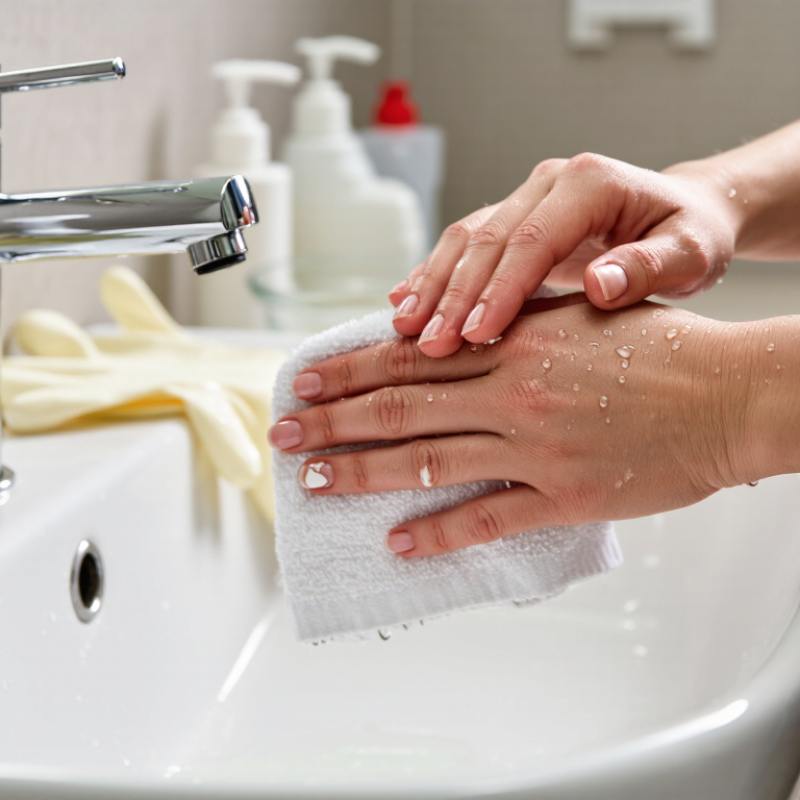
Brittle nails are nails that split, peel, or break more easily than usual.
The American Academy of Dermatology estimates that about 20% of people experience brittle nails. That figure describes a common problem, not a diagnosis. It also cannot explain what is happening to one person’s nails.
A nail may look dry and flaky at its tip, or crack while opening a package. Repeated wetting and drying, frequent handwashing, and harsh cleaning products can weaken the nail plate. Aging and some health conditions may also play a role. It is easy to blame one cause, but the pattern is not always that simple.
Small changes matter. Wearing gloves for wet chores and applying moisturizer to nails and surrounding skin may help reduce dryness. Keep nails at a comfortable length, and file rough edges gently in one direction.
If breakage starts suddenly, persists despite care, or comes with pain or unusual color changes, ask a healthcare professional about it. A statistic can offer context, but your nail changes deserve their own attention.
Repeated soaking and drying can make nails swell, then contract as they dry. Over time, that cycle may leave tips soft, peeling, or split. Dishwashing, swimming, and frequent handwashing all contribute. Wear gloves for cleaning, and dry your hands well afterward. A little moisturizer on nails and cuticles can help, too.
Cleaning products, solvents, and some nail polish removers may strip protective oils. Keep nails short while they recover, and avoid scraping under them or picking at loose layers. Aging also matters: nails often become drier and more brittle with time, sometimes showing fine ridges. Small details matter. A gentler routine may help, but results can be slow.
Health conditions can play a role. Thyroid problems, iron deficiency, and skin conditions such as psoriasis may affect nail strength or appearance. Brittle nails alone do not identify a specific illness, so supplements are not a sure fix; excess iron can be harmful. If changes persist despite basic care, or come with pain, discoloration, thickening, or unusual shape, ask a healthcare professional. It is tempting to blame one cause, but several can overlap—and even a careful routine may not solve everything.
Nails that peel or split mainly at the tips often reflect everyday wear. Repeated handwashing, cleaning products, nail polish remover, and long periods in water can dry the nail layers. You may notice more damage after a week of frequent dishwashing or a rough manicure. Try gloves for wet chores, a fragrance-free moisturizer on nails and cuticles, and gentle filing in one direction. Give peeling nails a break from gels and aggressive buffing.
Patterns can offer clues, but they cannot confirm a cause. Small white spots usually follow minor bumps, rather than proving a calcium deficiency. Thin, spoon-shaped nails may be linked to iron deficiency, while thick, yellow, crumbly nails can occur with fungal infection or some skin conditions. These clues are imperfect. A new dark stripe, especially one that widens or affects nearby skin, deserves prompt medical assessment. Avoid scraping or treating it yourself.
Consider a clinician if several nails change, breakage persists despite gentler care, or the nail separates from its bed. Changes alongside fatigue, unusual skin symptoms, or other new health concerns are also worth discussing. Some medicines and conditions, including thyroid problems, can affect nail growth. I would not start iron or other supplements based on nail appearance alone; too much can cause harm, and testing may be needed.
Brittle nails are common, but the cause is not always obvious. A 2014 review in the Journal of Cosmetic Dermatology estimated that brittle nail syndrome affects about 20% of people. Women were affected roughly twice as often. These are population estimates, not a diagnosis.
The American Academy of Dermatology recommends moisturizing nails and cuticles, especially after handwashing, and reducing prolonged contact with water. Wear gloves when washing dishes or cleaning. Pat nails dry, then work a small amount of moisturizer around each nail and cuticle. Small habits help. Still, moisture alone may not fix splitting caused by repeated trauma, nail products, or an underlying health issue.
Biotin deserves caution. The NIH Office of Dietary Supplements sets the adult adequate intake at 30 micrograms daily; that is not a recommendation to take high-dose supplements. Biotin can interfere with some lab tests, including thyroid tests and cardiac troponin tests, and may produce misleading results. Tell your clinician and testing laboratory about any biotin use before blood work. If nail changes persist, worsen, or come with other symptoms, seek medical advice rather than assuming a supplement will help.
NIH’s adequate intake for biotin is 30 mcg/day for adults and during pregnancy, and 35 mcg/day while breastfeeding. These are general nutrition values—not doses proven to strengthen nails. High-dose biotin supplements can interfere with some lab tests. For brittle nails, the AAD recommends moisturizing nails and reducing prolonged wet work.
Sources: NIH Office of Dietary Supplements: Biotin; American Academy of Dermatology: Healthy nail tips.
A split nail after one rough manicure is usually not an emergency. Repeated splitting deserves more attention, especially when several nails are affected or the damage continues despite gentler care. Arrange a clinician’s assessment if changes persist for several weeks, keep returning, or interfere with daily tasks. Bring photos showing how the nail has changed; nails grow slowly, so a timeline can help.
Color changes need context. Yellowing can follow polish or fungal infection, while a new brown or black stripe may have several causes. Still, have a clinician check a stripe that is widening, uneven, or spreading onto the surrounding skin. Don’t try to diagnose it from a photo alone. Nail changes can be subtle.
Seek prompt medical advice for a painful, swollen nail fold, pus, or a nail lifting away from its bed. Fever or spreading redness needs urgent care. A clinician may ask about recent injury, medicines, skin conditions, and health problems such as thyroid disease or iron deficiency. Some causes are minor; others need treatment. It is easy to blame dry air, and that may be part of it, but persistent changes should not be dismissed.
Brittle nails split, peel, or break more easily than usual. About one in five people experience them.
Frequent handwashing, long periods in water, cleaning products, and rough manicures can dry or damage nail layers. Small habits add up.
Wear gloves for wet chores, moisturize nails and cuticles, and file gently in one direction. Keep nails at a comfortable length.
Usually, small white spots follow minor bumps. They do not prove a calcium deficiency. Patterns offer clues.
No. Spoon-shaped nails may be linked to iron deficiency, while thick, yellow, crumbly nails can have several causes.
Contact a clinician if changes last several weeks, keep returning, affect several nails, or interfere with daily tasks. Photos can help show the timeline.
Ask a clinician about a new dark stripe that widens, looks uneven, or spreads onto nearby skin. Don’t diagnose it from a photo alone.
Seek prompt advice for pain, swelling, pus, or a nail lifting from its bed. Fever or spreading redness needs urgent care.
Not based on appearance alone. Too much iron can cause harm, and testing may be needed. I might blame dry air too quickly.
Brittle nails are nails that split, peel, or break more readily than usual, and they affect an estimated one in five people. If you’re wondering, “why are my nails breaking easily,” everyday exposure may be part of the answer: frequent contact with water, cleaning chemicals, or other irritants can weaken nails, while aging and certain health conditions may also contribute. The way nails change can offer clues. Peeling after repeated wet work may suggest routine wear, whereas persistent changes in shape, texture, or color may point to a cause that deserves closer attention.
Gentle nail care can help: moisturize nails and surrounding skin, limit prolonged wet work, and use protective gloves when appropriate. Biotin supplements are not a simple fix; they can interfere with some laboratory test results, so discuss them with a clinician before taking them, especially before blood tests. If splitting continues despite care, or you notice lasting discoloration or other unusual changes, seek medical advice to check for an underlying problem.

Plek Beauty